Santiago, Chile Travel Tips: Safety, Best Time to Visit, Money and Getting Around
2 November 2026 · 4 min read
Planning a first trip to Santiago raises a lot of questions: is it safe, when should you go, how do you get from the airport, how much should you tip. As local guides we hear them every day, so here are the most useful answers in one place.
Is Santiago safe for tourists?
Santiago is a big Latin American city and asks for the same care as any large capital. Most travellers explore it without trouble by following a few basic rules. The most common issue is not violent crime but opportunistic theft: phones, bags and backpacks in crowded places.
Our standard advice:
- Keep your phone away. Do not leave it on the table at terraces or use it absent-mindedly on the pavement; it is the most targeted item.
- Wear your backpack in front on the metro, downtown and at big events.
- Use ride-hailing apps or official taxis. Uber, Cabify and DiDi work very well; at the airport use the official counters.
- At night, stick to well-known areas. Providencia, Las Condes, Vitacura, Lastarria and Barrio Italia are comfortable for going out; downtown and Bellavista at night, move in a group and on busy streets.
- Keep a copy of your passport on your phone and the original at the hotel.
- Emergency numbers: police (Carabineros) 133, ambulance (SAMU) 131, fire brigade 132.
Exploring the neighbourhoods with a local guide is also the most relaxed way to discover the city: we know which streets to walk and when to visit each place. On our walking tours, such as Old Santiago, groups never go over 10 people.
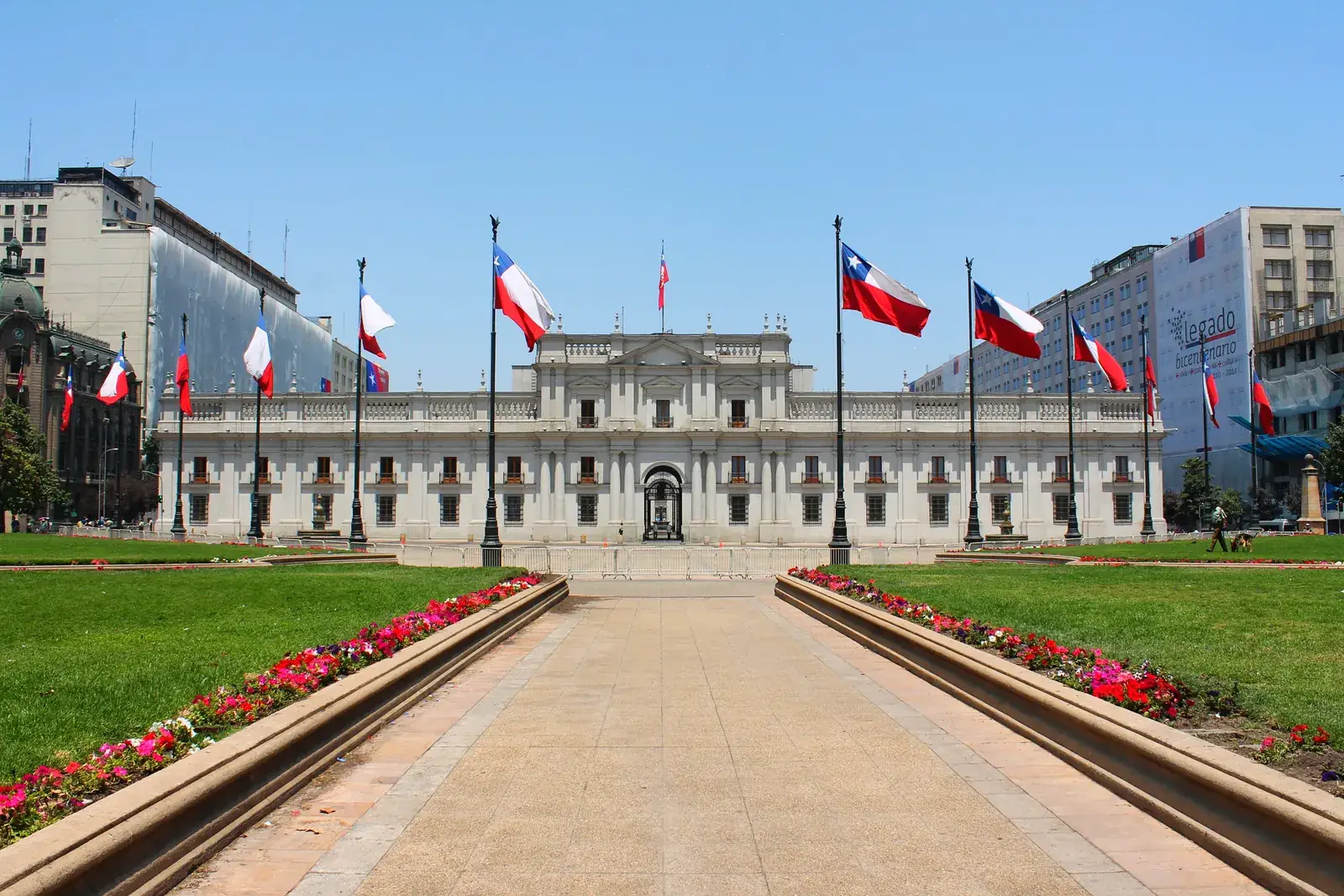 The civic district and La Moneda, the heart of the city.
When is the best time to visit Santiago?
Santiago works all year; every season has something.
- Spring (September to November): mild days, a green city and the Andes still snowy. One of the best times.
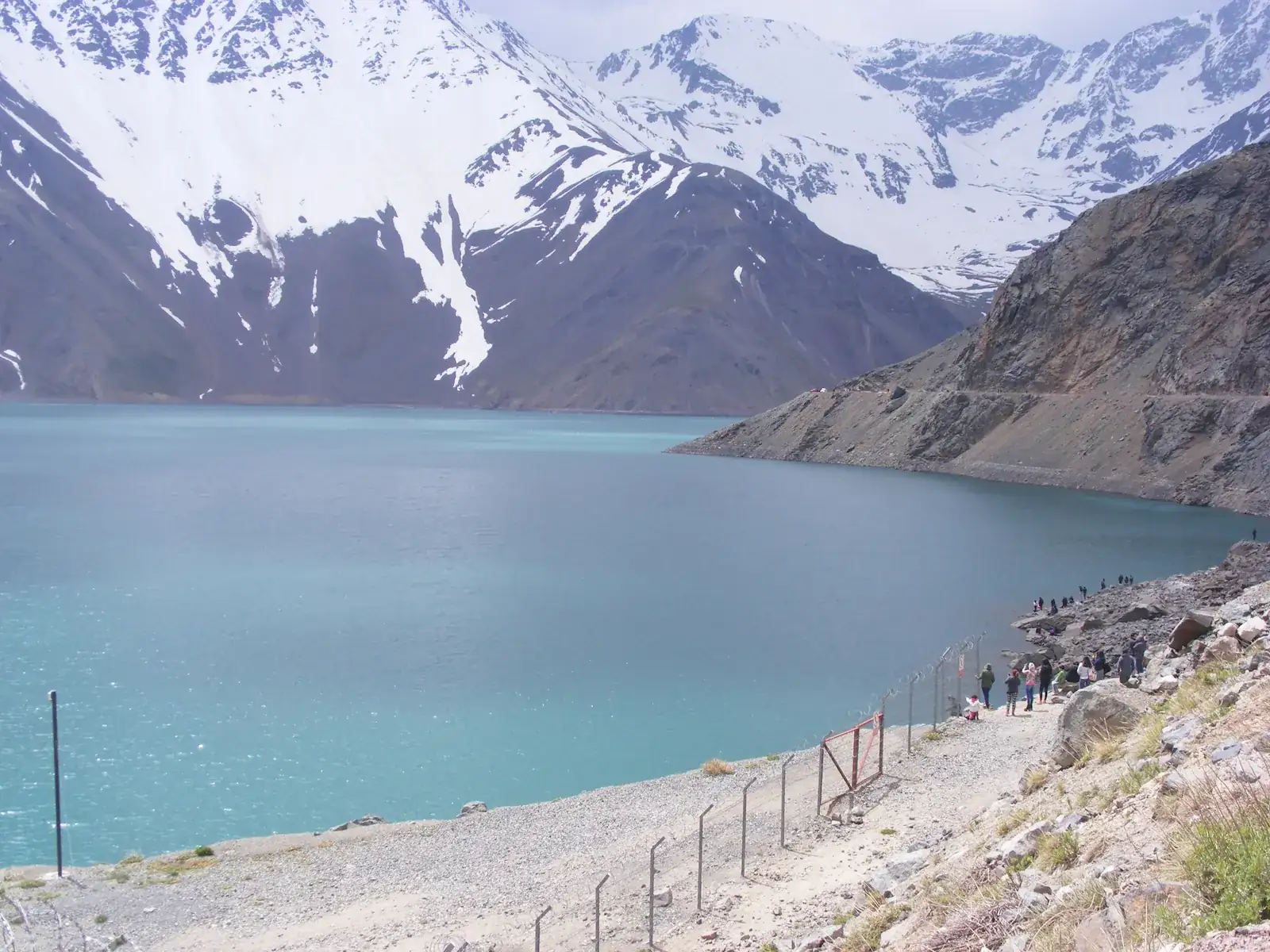
- Summer (December to February): dry heat, sometimes above 30 °C, and long days. Beach season, El Yeso reservoir and mountain trails. January and February are holiday months and the city empties a little.
- Autumn (March to May): pleasant temperatures and the grape harvest; the vineyards turn gold and red.
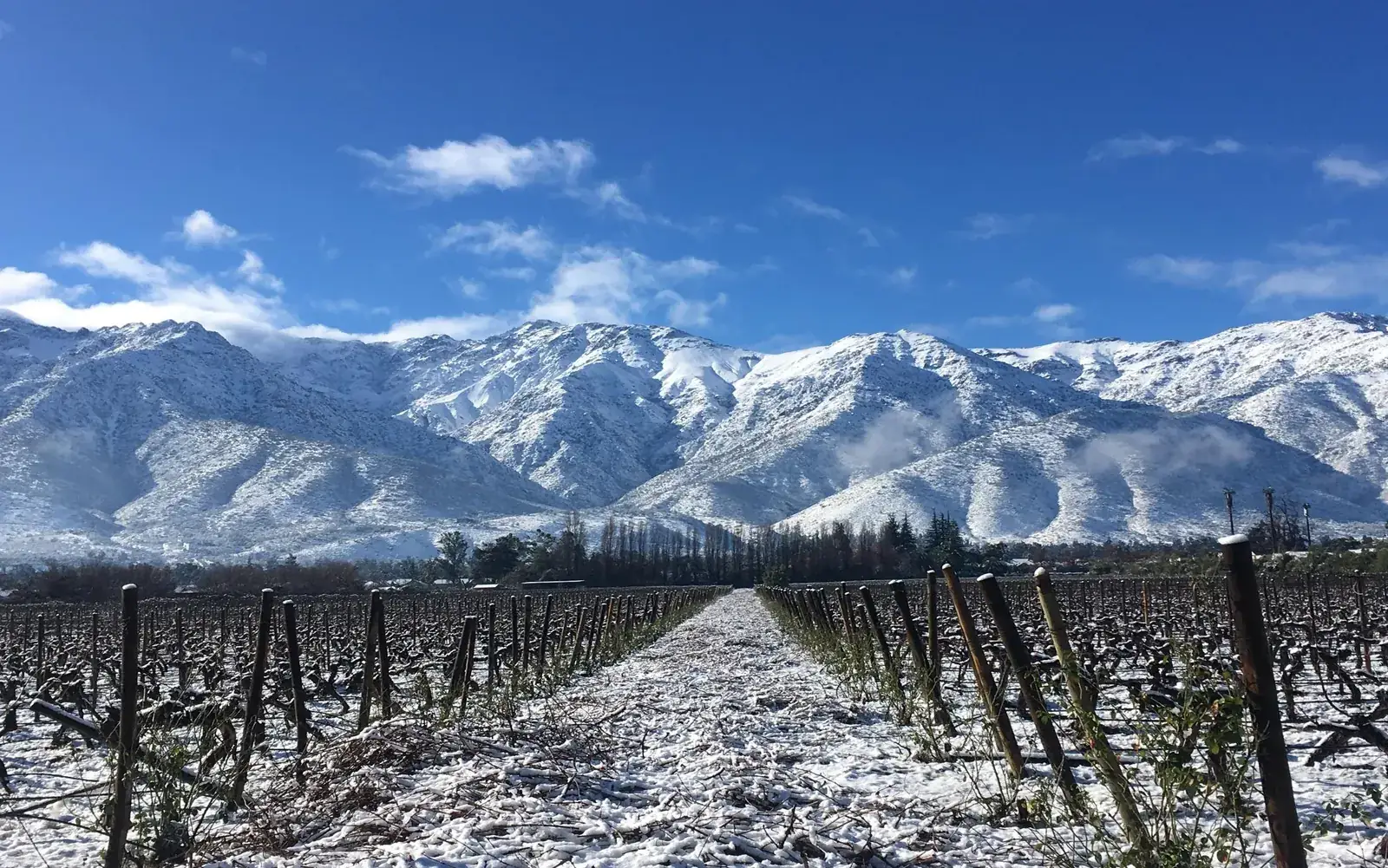
- Winter (June to August): cold mornings and nights, some rainy days and snow at the ski resorts. Ideal if you come for the snow; read our guide to snow in Santiago.
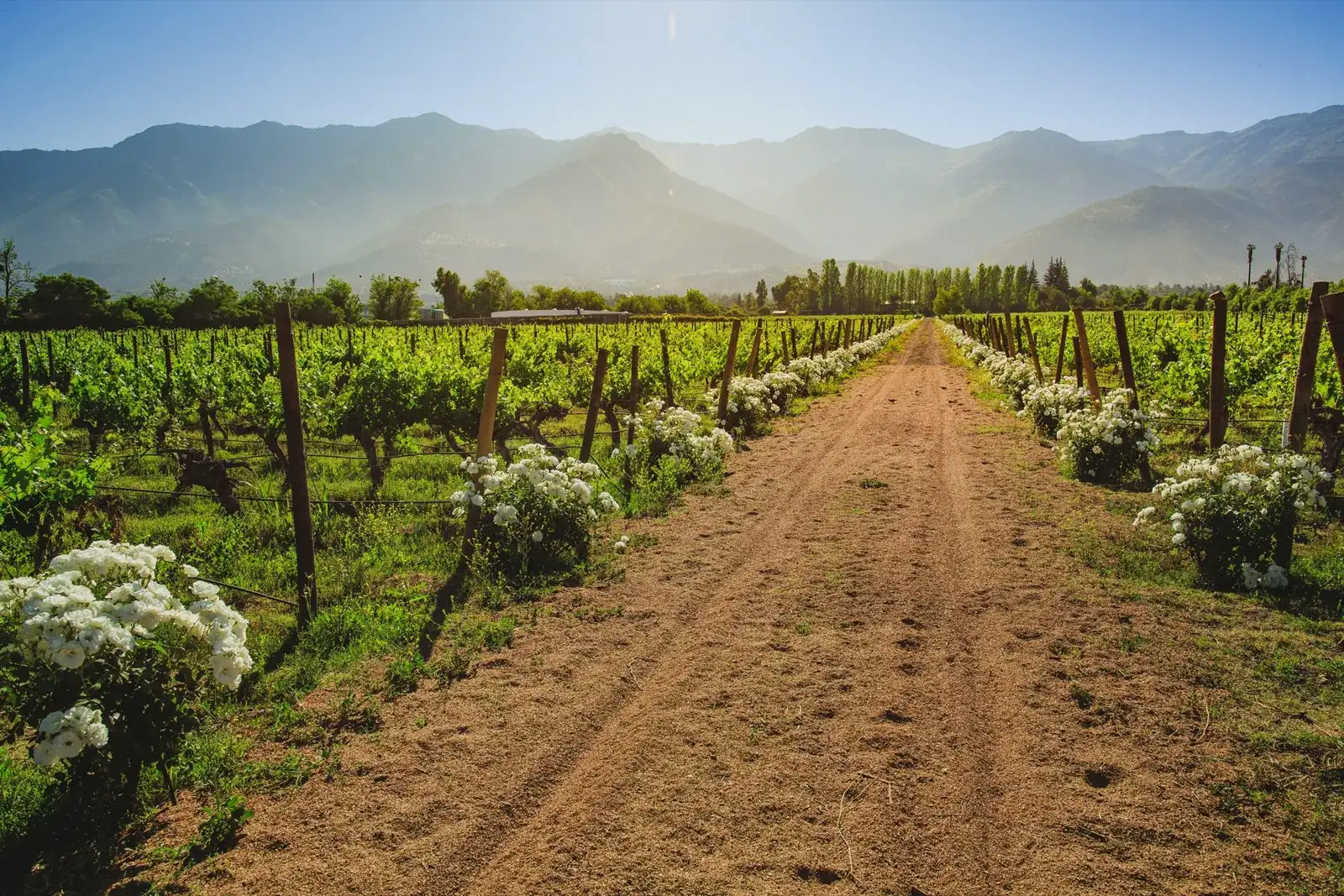 Autumn brings the harvest to the Maipo wineries.
Getting from the airport
Arturo Merino Benítez International Airport (SCL) is about 20 kilometres from downtown. The ride takes 30 to 45 minutes depending on traffic.
- Official taxi or transfer: at the counters in the arrivals hall. Avoid people offering rides inside the terminal.
- Apps: Uber, Cabify and DiDi have signposted pickup points.
- Bus: Centropuerto and Turbus run to metro stations on the Alameda; the cheapest option.
Getting around the city
The metro is fast, clean and connects almost everything you will want to see: downtown, Providencia and Las Condes. You need a bip! card, sold and topped up at the stations. For short distances, walk: the main neighbourhoods are close to each other. At night or with luggage, use an app.
Several of our tours with transport leave from the MUT (Mercado Urbano Tobalaba), next to Tobalaba metro: easy to find, with plenty of places for a coffee before you go.
 The MUT, the meeting point for our tours with transport.
Money, cards and tipping
- Currency: the Chilean peso (CLP). Prices have no decimals.
- Cards: accepted almost everywhere, even at food carts and markets. Carry some cash for markets and tips.
- Changing money: the exchange offices downtown usually give better rates than the airport. ATMs charge a withdrawal fee.
- Tipping: restaurants suggest 10%, shown on the bill; you can accept it or not. Tip your guide according to how much you enjoyed the tour.
Practical details
- Plugs: 220 V, types C and L. Bring an adapter.
- Tap water: safe to drink; many people prefer bottled water for the taste.
- Language: Spanish, with plenty of Chilean slang. English is spoken at hotels and in tourist areas; our guides speak English, Spanish and Portuguese.
- Mondays: most museums and Neruda’s houses close. Plan Mondays for outdoor trips or wineries.
- Earthquakes: Chile is a seismic country and is well prepared. If you feel a tremor, stay calm and follow local instructions.
Frequently asked questions
How many days do I need in Santiago? Three days cover the essentials and a day trip. See our Santiago in 3 days itinerary.
Is Santiago expensive? It is mid-range for South America: eating well is affordable, and trips outside the city are the biggest part of the budget.
Can I drink the tap water? Yes, it is safe.
Is it safe to walk at night? In well-known areas, yes, with the usual care. Downtown at night, prefer a ride-hailing app.
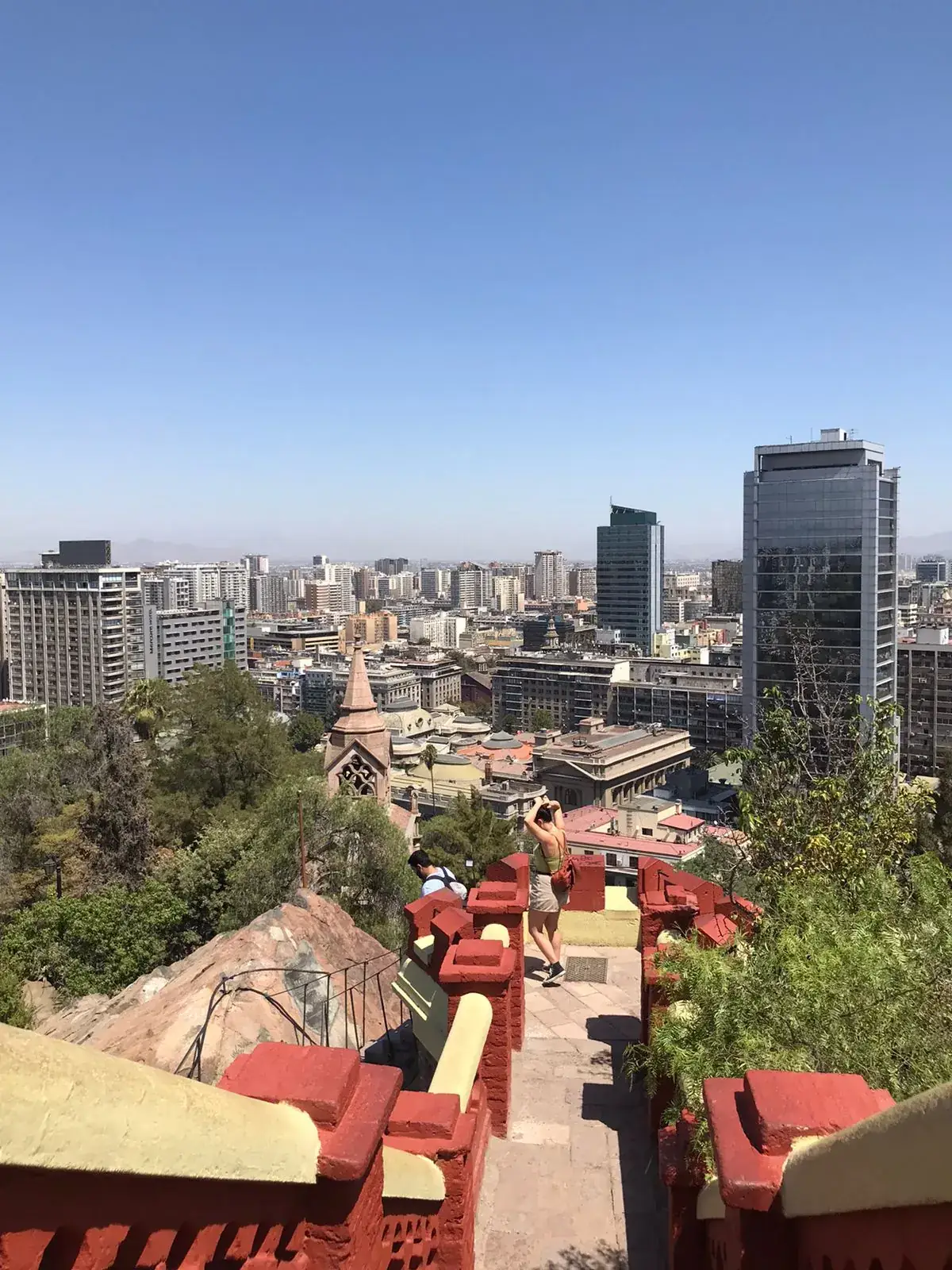
What should I not miss? The historic centre, Lastarria and Bellavista, the view from San Cristóbal Hill, Chilean food and a day in Valparaíso or at a winery. Start with our guide to the best neighbourhoods in Santiago.
Tours related to this article
 Santiago Old Town: Icons, Galleries and Hidden GemsFrom $56.000 CLP
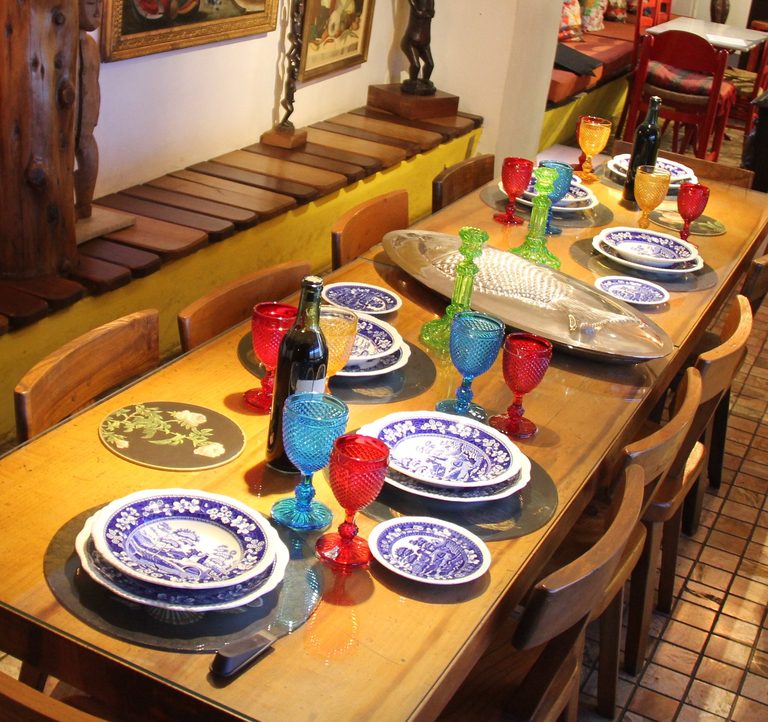 Santiago: Neruda, San Cristóbal and Andes ViewsFrom $90.000 CLP
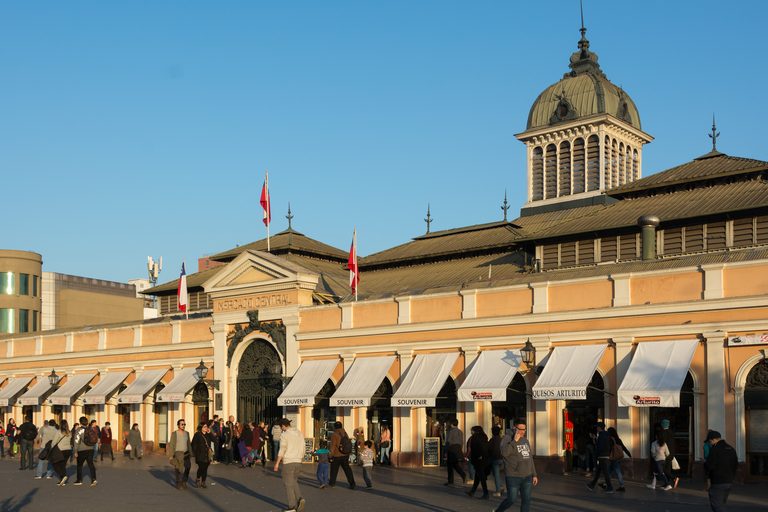 Santiago Street Food Tour: Downtown and TerremotoFrom $90.000 CLP
 Santiago: Lastarria Art, Culture and Andes ViewsFrom $52.000 CLP
 Walking Santiago: Modern Market, Sky Costanera 360From $75.000 CLP
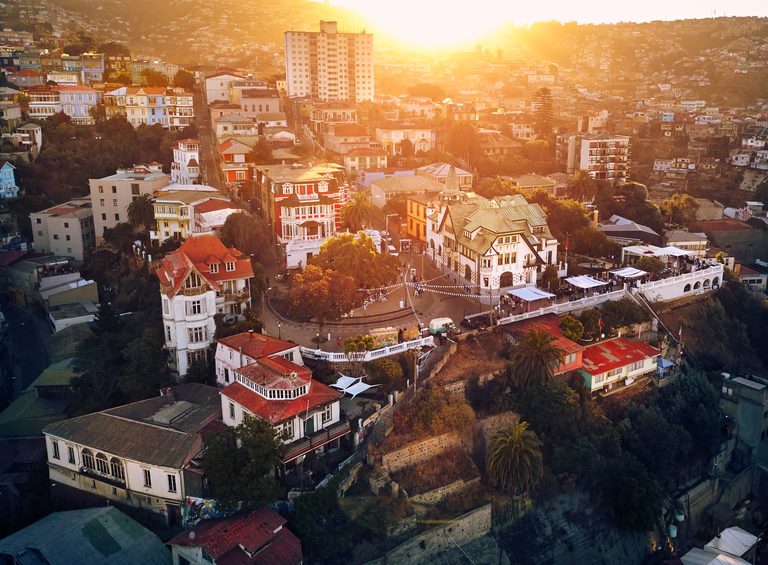 Valparaíso and Viña del Mar Full DayFrom $252.000 CLP
Want to see it with a local guide?
Book a tour online or ask us anything on WhatsApp.