Snow in Santiago, Chile: When to Go, Where to See It and How to Prepare
2 November 2026 · 4 min read
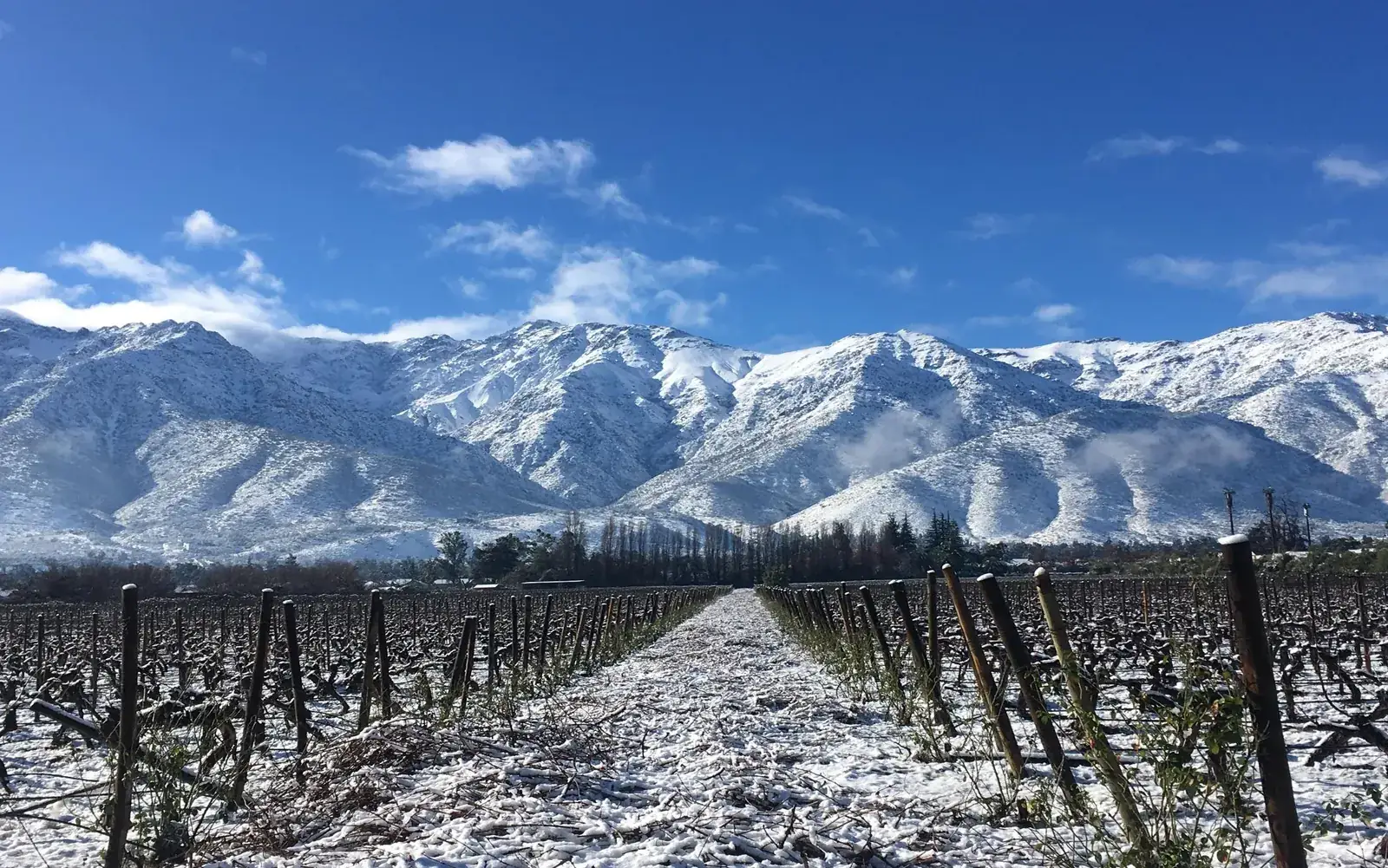
One of the questions we hear most is simple: is there snow in Santiago? The short answer is yes, but not in the city. The snow is up in the Andes, less than two hours away, which makes Santiago one of the few capitals in the world where you can spend the morning in a museum and the afternoon on a ski slope.
This guide explains when there is snow, where to see it, what to pack and how to plan your day.
Does it snow in the city of Santiago?
Very rarely. Santiago sits at about 570 metres and has a Mediterranean climate: cool, rainy winters, but rarely below freezing during the day. Snowfall in the city is exceptional and makes the news; the last big one was in July 2017.
What you will see in winter, on a clear day after the rain, is the whole Andes range white behind the buildings. It is one of the city’s most beautiful sights.
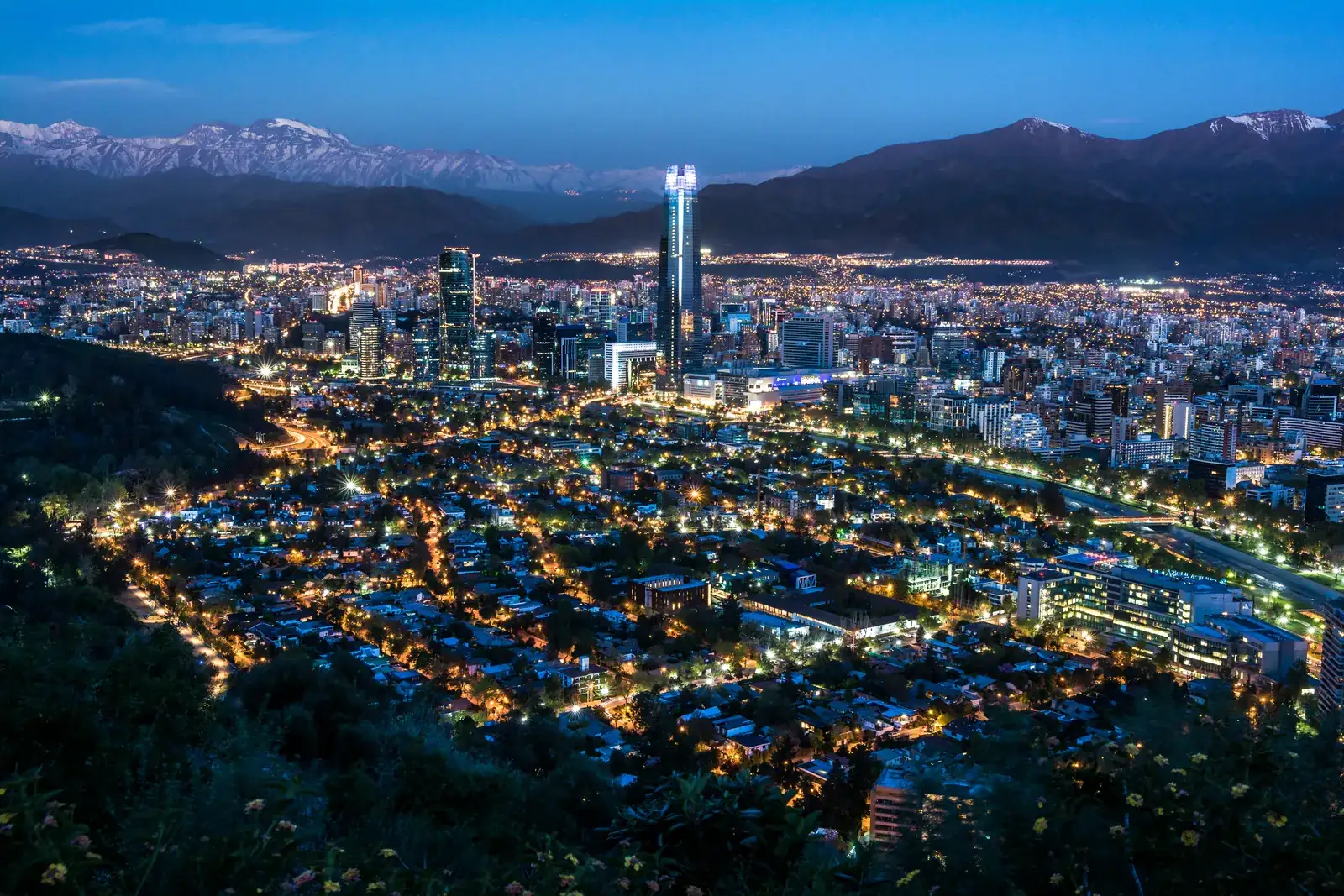 Santiago in winter: the city below, the snow above.
Which months have snow?
The snow season at the ski resorts near Santiago usually runs from mid-June to September, depending on the year.
- June: the season opens; snow cover varies a lot.
- July: the busiest month. School holidays in Chile and Brazil coincide, so there are more people and higher prices.
- August: usually the best snow base with slightly fewer crowds. Our favourite month.
- September: longer, sunnier days and spring snow, ideal for beginners.
- October: in good years there is still snow up high, but it is not guaranteed.
If you travel between October and May you will not find snow on the slopes, but the Andes have other spectacular sights, like the El Yeso reservoir or the San Francisco glacier.
Where to see the snow near Santiago
Farellones, Valle Nevado, La Parva and El Colorado
An hour and a half from the city, up the famous road of the 40 curves, are the nearest ski resorts. Farellones is the mountain village; Valle Nevado, at 3,025 metres, is the largest and the best known among international travellers.
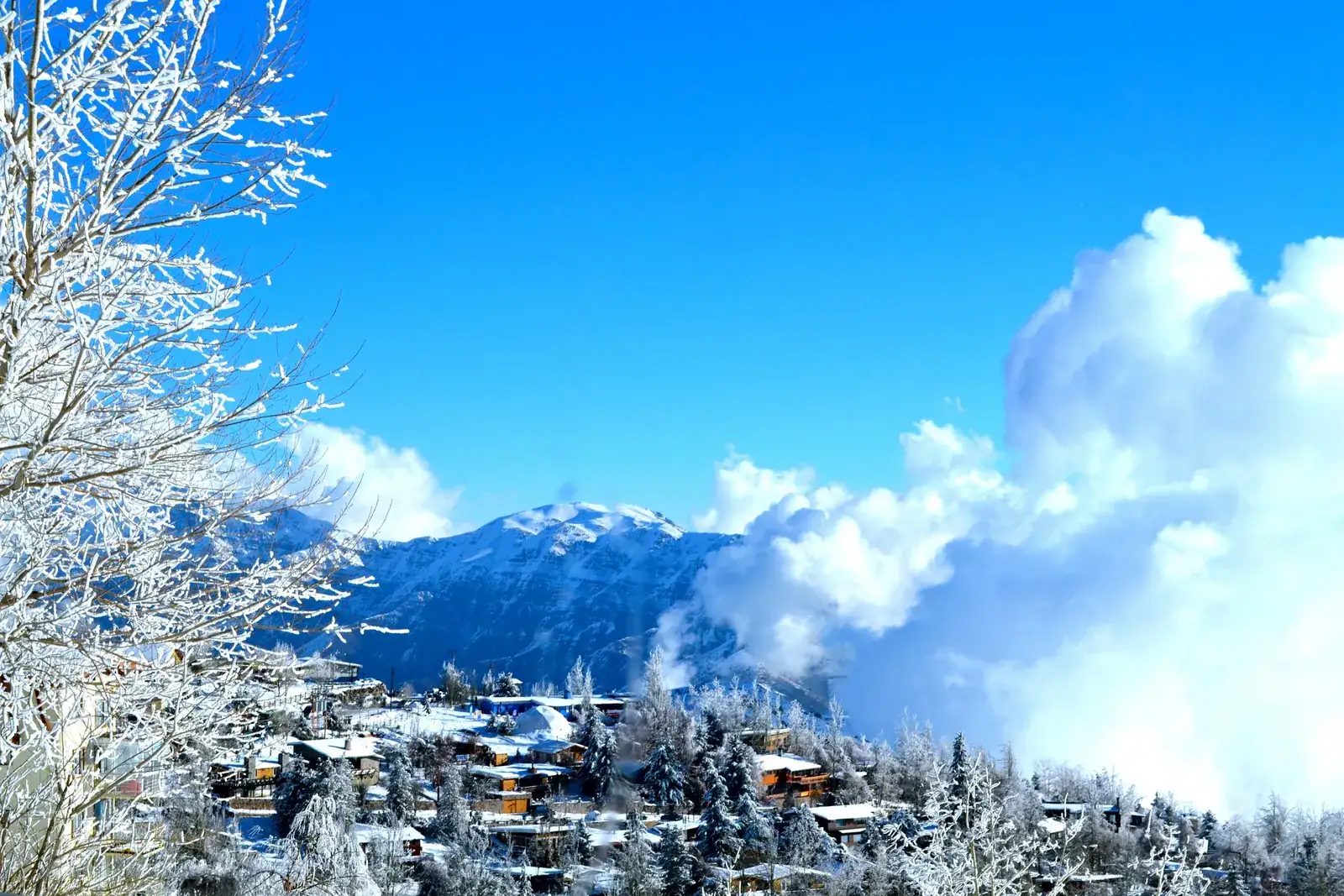 Farellones after a snowstorm.
Portillo
Next to the Argentine border, about two and a half hours away, with its historic hotel and the Laguna del Inca. A South American skiing classic.
Cajón del Maipo
In winter the upper Cajón del Maipo is covered in snow too, around Lagunillas and Baños Morales. The road to El Yeso reservoir, however, usually closes with the snow: that one is a spring and summer trip.
Skiing, snowboarding or just playing in the snow
You do not need to know how to ski to enjoy a day in the snow. There are three ways to do it:
- First time on skis or a snowboard: a two-hour group class in the beginner area, with its lift ticket included.
- You already ski: a day pass to explore every run.
- No skiing: snow play, sledging and photos in the Farellones snow parks.
On our Valle Nevado ski day you choose between a beginner class or a day pass, and everything is included: snow clothing, ski or snowboard equipment, and goggles or a beanie to keep. You just enjoy it.
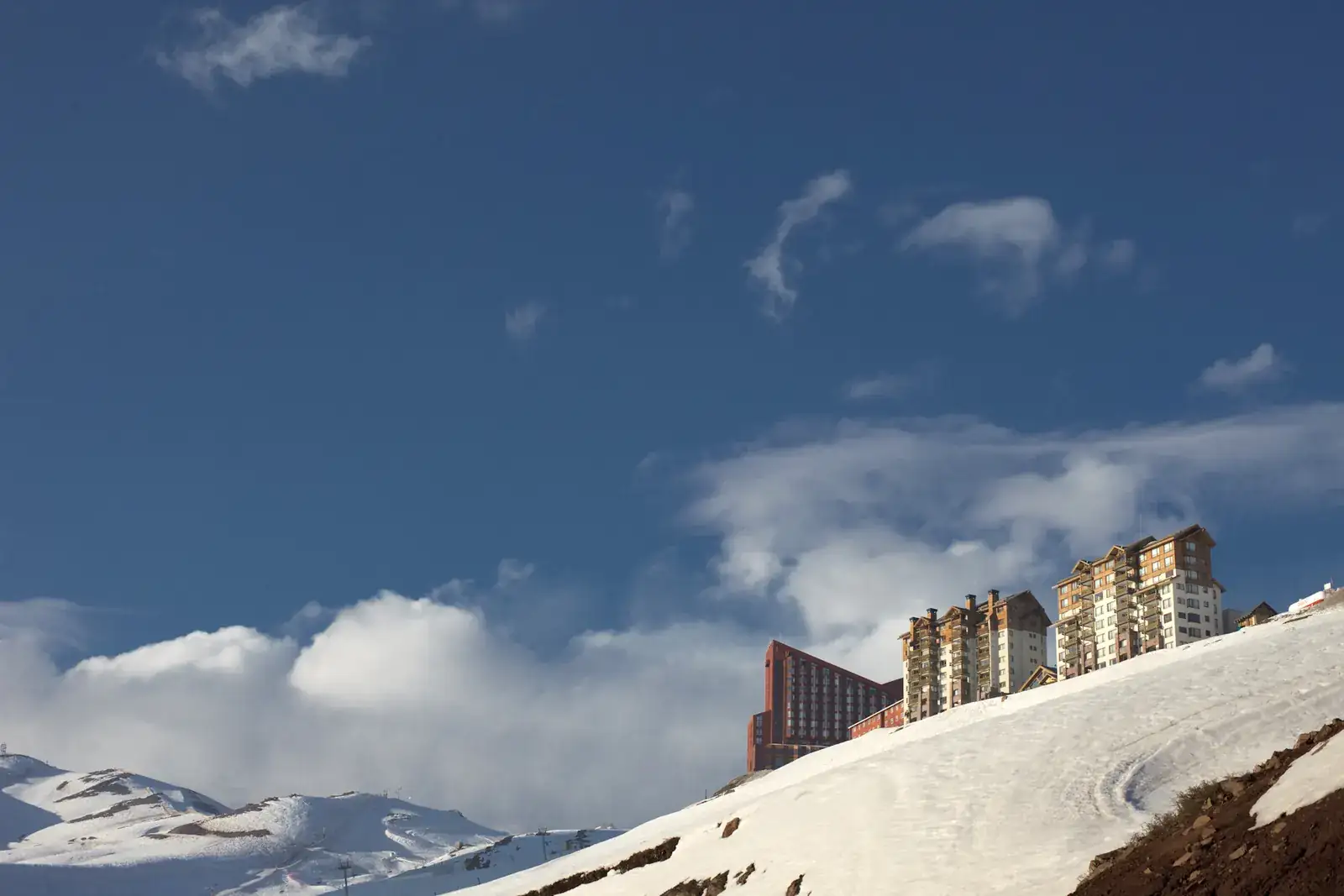 Valle Nevado has runs for every level.
What to pack for a day in the snow
- Sunglasses or goggles: essential; the glare off the snow is very strong.
- Sunscreen: at altitude you burn even when it is cold.
- A thermal base layer and thick socks.
- Gloves and a beanie.
- Snow clothing: if you do not have any, rent it at the shops on the way up, or get it included on our ski day.
- Water and a snack.
Important tips
- Start early. The mountain road gets congested, especially at weekends.
- Do not drive up without experience. The road of the 40 curves requires snow chains when it snows and can close for weather. A tour with transport takes that risk away.
- Check the weather. If the road closes, on our tours we reschedule or refund in full.
- Stay hydrated. At 3,000 metres your body needs more water.
- Avoid the busiest days if you can: July weekends are the most crowded.
What if I travel outside winter?
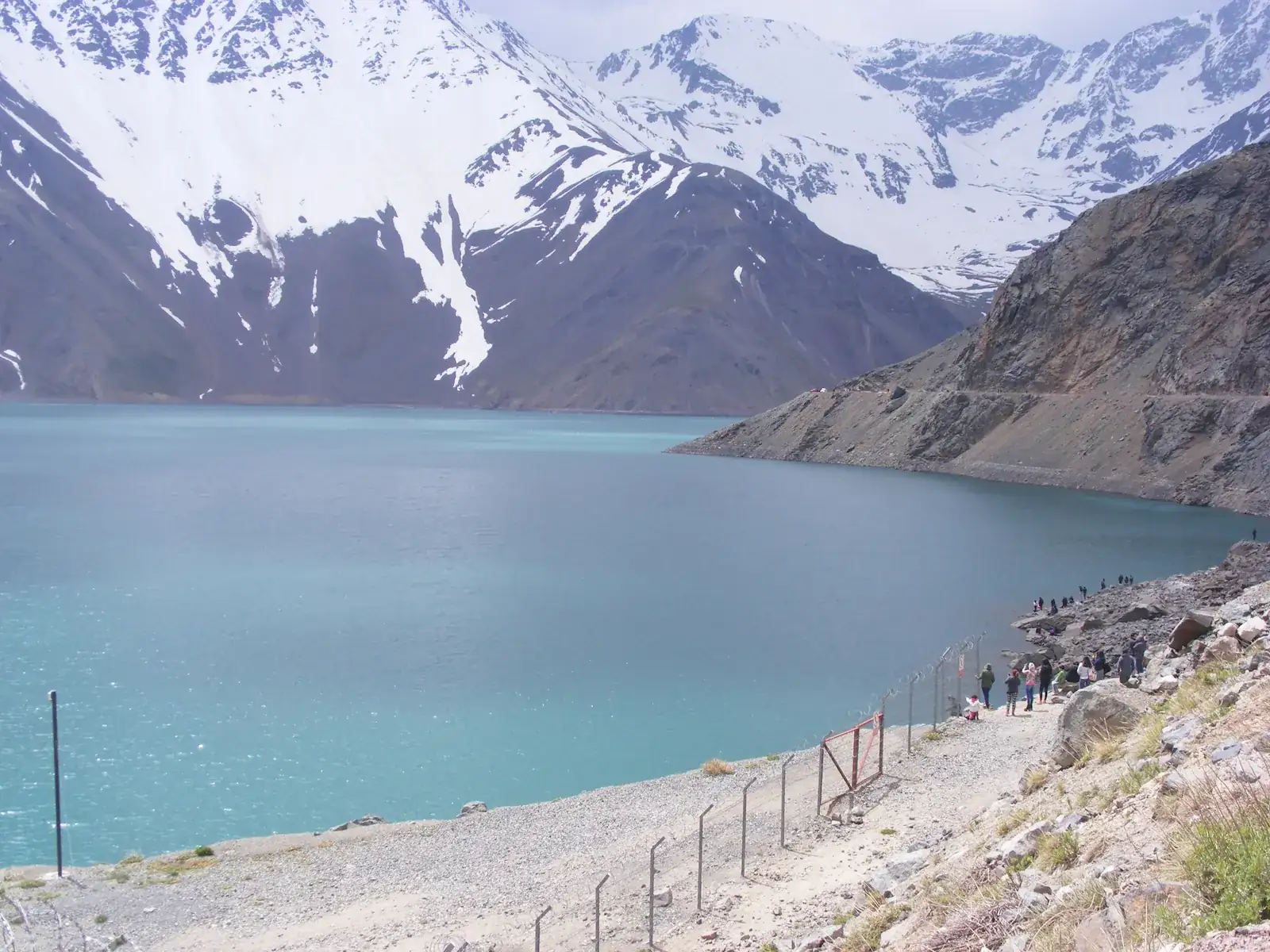 El Yeso reservoir, in the Cajón del Maipo, from October to April.
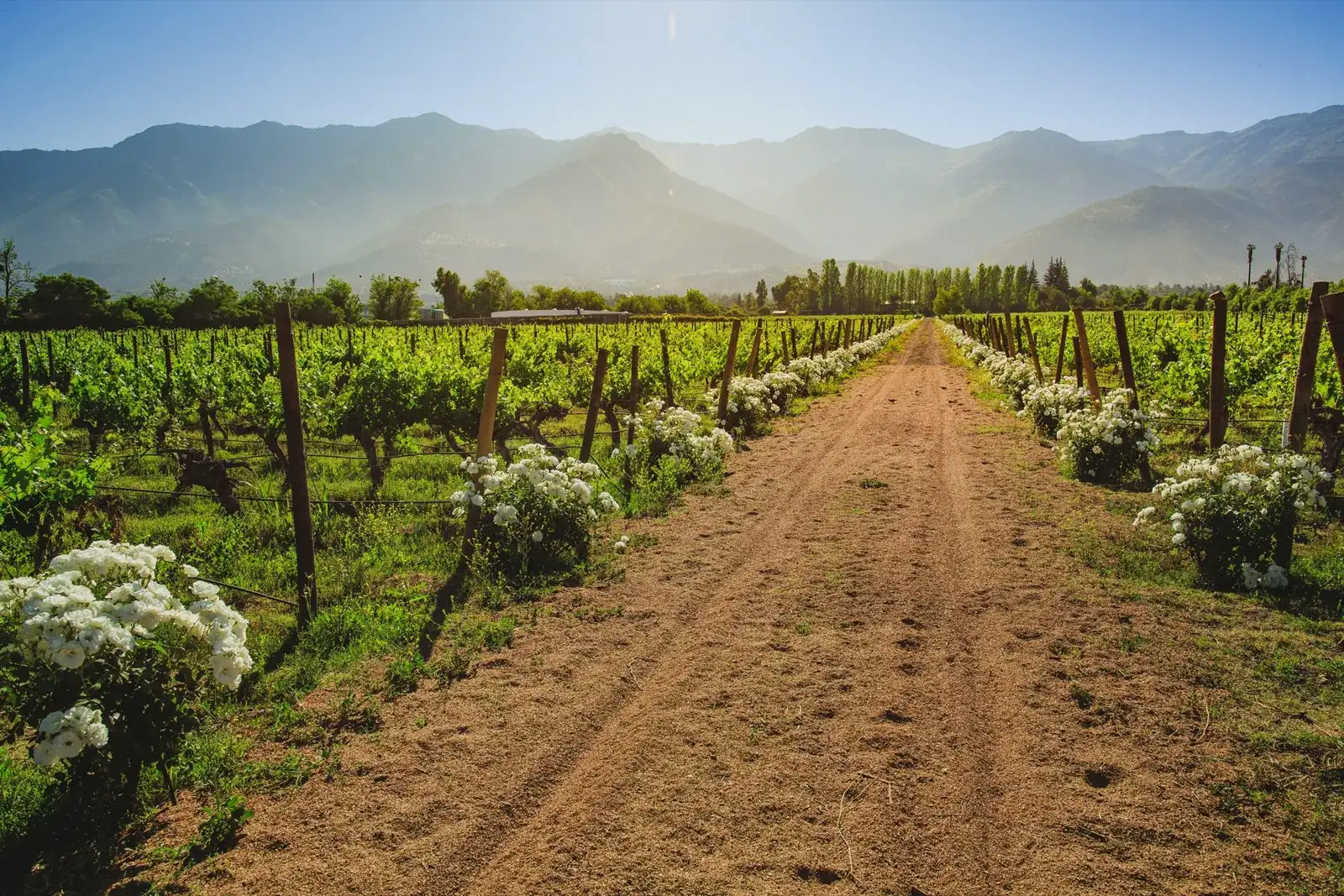
From October to April the Andes show another face: lagoons, glaciers and trails. We recommend the El Yeso Andean picnic, the San Francisco Glacier hike or the Andes sunrise hike to watch the sun rise over the city. And in any season, a winery at the foot of the mountains, like Viña Aquitania, is a relaxed way to look at the Andes with a glass in hand.
Frequently asked questions
Is there snow in Santiago in September? At the ski resorts, usually yes, with spring snow. In the city, no.
What about October or November? In October there is sometimes snow up high, but it is not guaranteed. By November the ski season is over.
Do I need experience to ski? No. The beginner class is designed for your first time, on skis or a snowboard.
Can I go with children? Yes. There are kids’ classes and snow play areas. Tell us their ages when booking.
How long does it take to reach the snow from Santiago? About an hour and a half to Farellones and Valle Nevado, depending on traffic and road conditions.
Tours related to this article
 Ski Day in Valle Nevado: Clothing, Gear and Pass or Class IncludedFrom $378.000 CLP
 Cajón del Maipo and El Yeso Reservoir: Andean Picnic DayFrom $197.000 CLP
 El Morado: Hike to the San Francisco GlacierFrom $235.000 CLP
 Santiago Sunrise Hike: Andes Views and Chilean BreakfastComing soon
 Viña Aquitania: Boutique Winery Half-Day TourFrom $132.000 CLP
Want to see it with a local guide?
Book a tour online or ask us anything on WhatsApp.