Cerro Santa Lucía, Santiago: Hours, History and How to Climb It
18 November 2026 · 3 min read
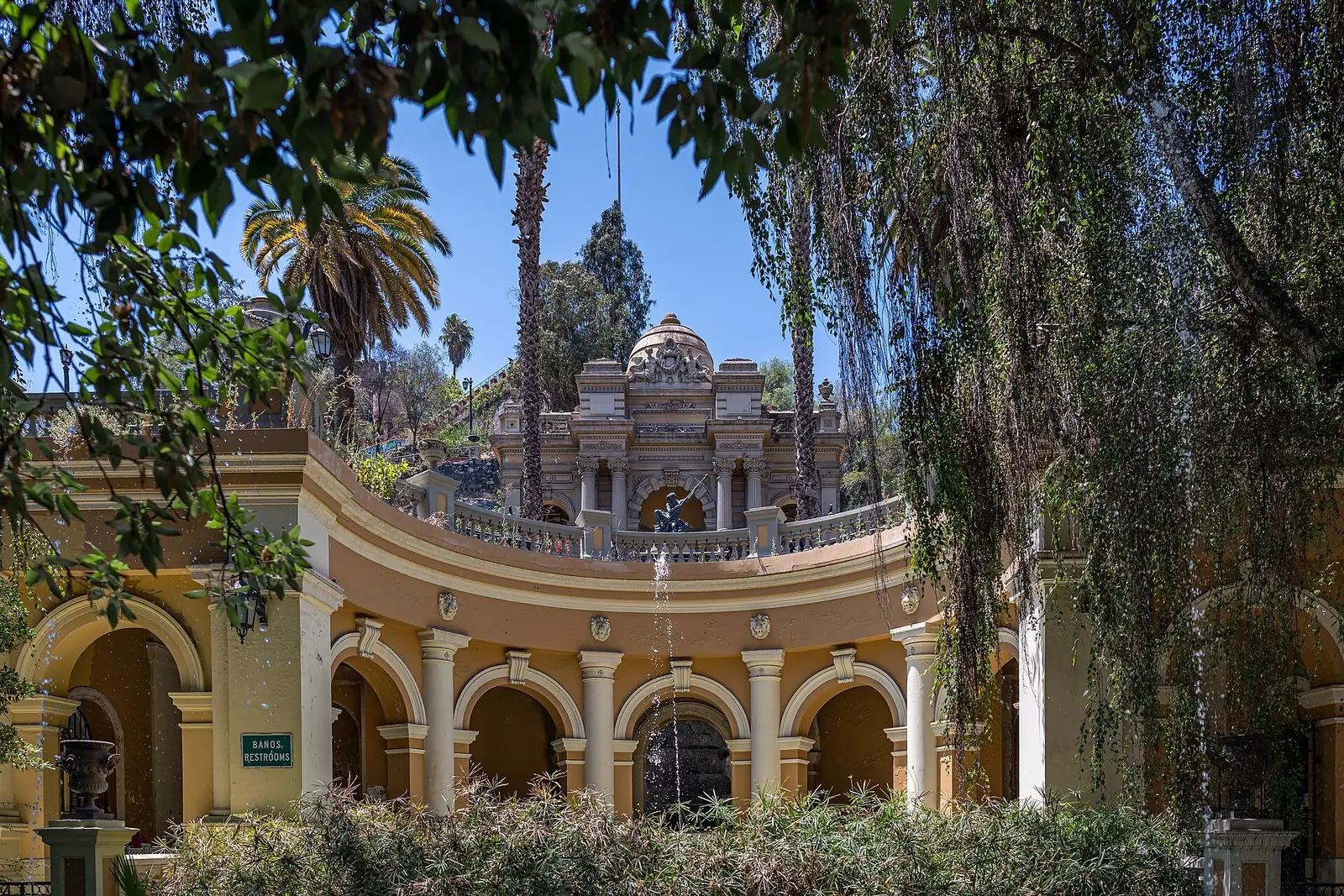
Right in downtown Santiago, between the Alameda and Barrio Lastarria, rises a rocky hill covered in gardens, stairways, fountains and lookouts. This is Cerro Santa Lucía, also called Santa Lucía Hill: the place where the city was born and one of the loveliest free things to do in Santiago.
This guide covers its history, how to climb it, what to see at the top, opening hours and a few tips to enjoy it.
The hill where Santiago was founded
Before the Spanish arrived, the native peoples of the valley called it Huelén. Pedro de Valdivia reached its foot on 13 December 1540, Saint Lucy’s day, and renamed it. On 12 February 1541 he founded the city of Santiago in the valley you can see from the summit.
For centuries it was a barren crag. In 1872 Santiago’s intendant (governor), Benjamín Vicuña Mackenna, turned it into the romantic park we know today: terraces, balustrades, fountains, shady paths and lookouts.
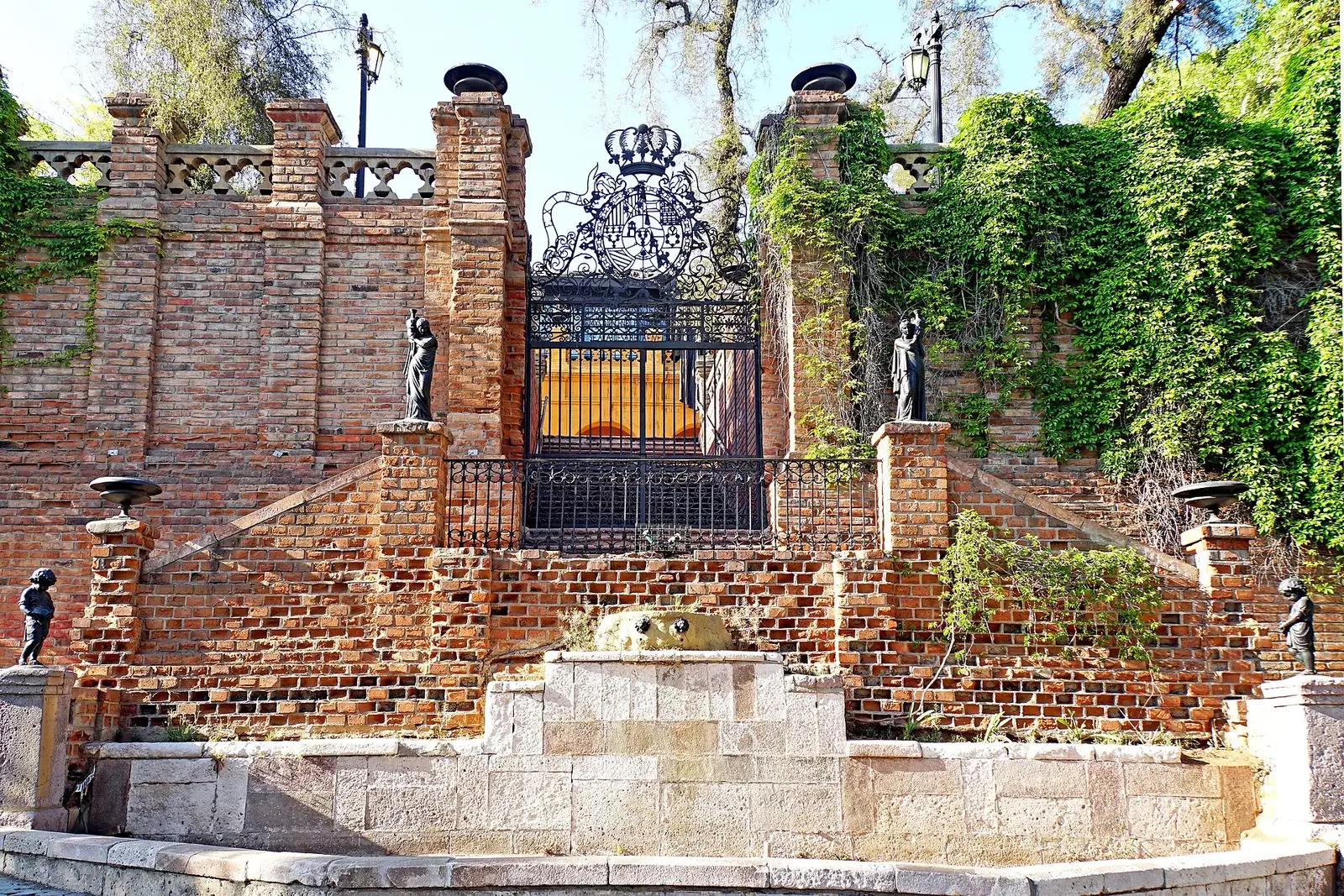 The Hidalgo Castle stairway, one of the most photographed spots on the hill.
Is Cerro Santa Lucía a volcano?
It is one of the most searched questions. The hill is volcanic in origin: its rock is lava that hardened millions of years ago, long before the Andes looked as they do today. But it is not a volcano: there is no crater and no activity. It is an "island hill", a block of hard rock left standing in the valley after erosion carried the rest away.
What to see on Cerro Santa Lucía
- The Neptune Terrace. The grand entrance on the Alameda, with its fountain and double stairway. The hill’s classic postcard.
- The Hidalgo Castle. A brick fort built in 1816, during the Spanish Reconquest, with stairways and battlements.
- The noon cannon. Every day at 12:00 a cannon is fired from the hill, a tradition Santiago residents once used to set their clocks.
- The summit tower. At the top, a small tower with the best 360° view of downtown: Plaza de Armas, Cerro San Cristóbal, the Providencia skyscrapers and the Andes.
- Vicuña Mackenna’s tomb and chapel. A quiet corner dedicated to the man who made the hill a park.
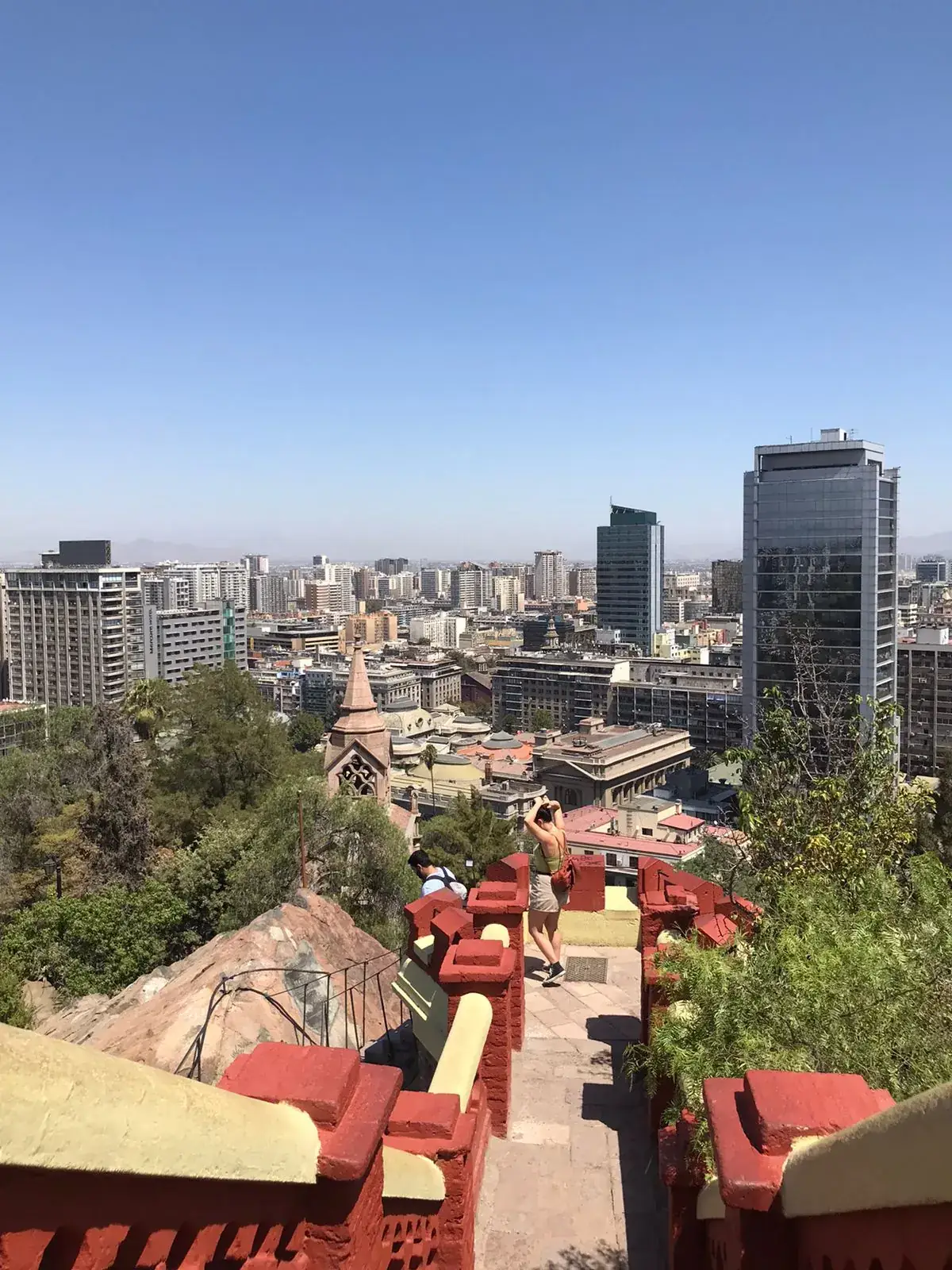 The view from the terraces of Cerro Santa Lucía, with the city at your feet.
Opening hours and entry
- Entry: free.
- Hours: open daily from the morning until around sunset, with longer hours in summer. Check the current hours before you go, as they can change with the season or for maintenance.
- Entrances: the main one is the Neptune Terrace on the Alameda (Santa Lucía metro, Line 1). There is also an entrance on Santa Lucía street, facing Barrio Lastarria.
How to climb it and how long it takes
From the Neptune Terrace to the summit tower takes about 20 minutes at an easy pace. There are sloping paths and stone stairs, some of them narrow near the top. Wear comfortable shoes and bring water in summer. The upper sections are not wheelchair accessible.
The best time to go
- In the morning, especially after rain or on a windy day, the air is clearer and the Andes look sharp.
- At sunset, golden light on the buildings and pink-tinged mountains make a show; check the closing time so you are not caught at the top.
- On weekdays it is quieter than at weekends.
How to pair it
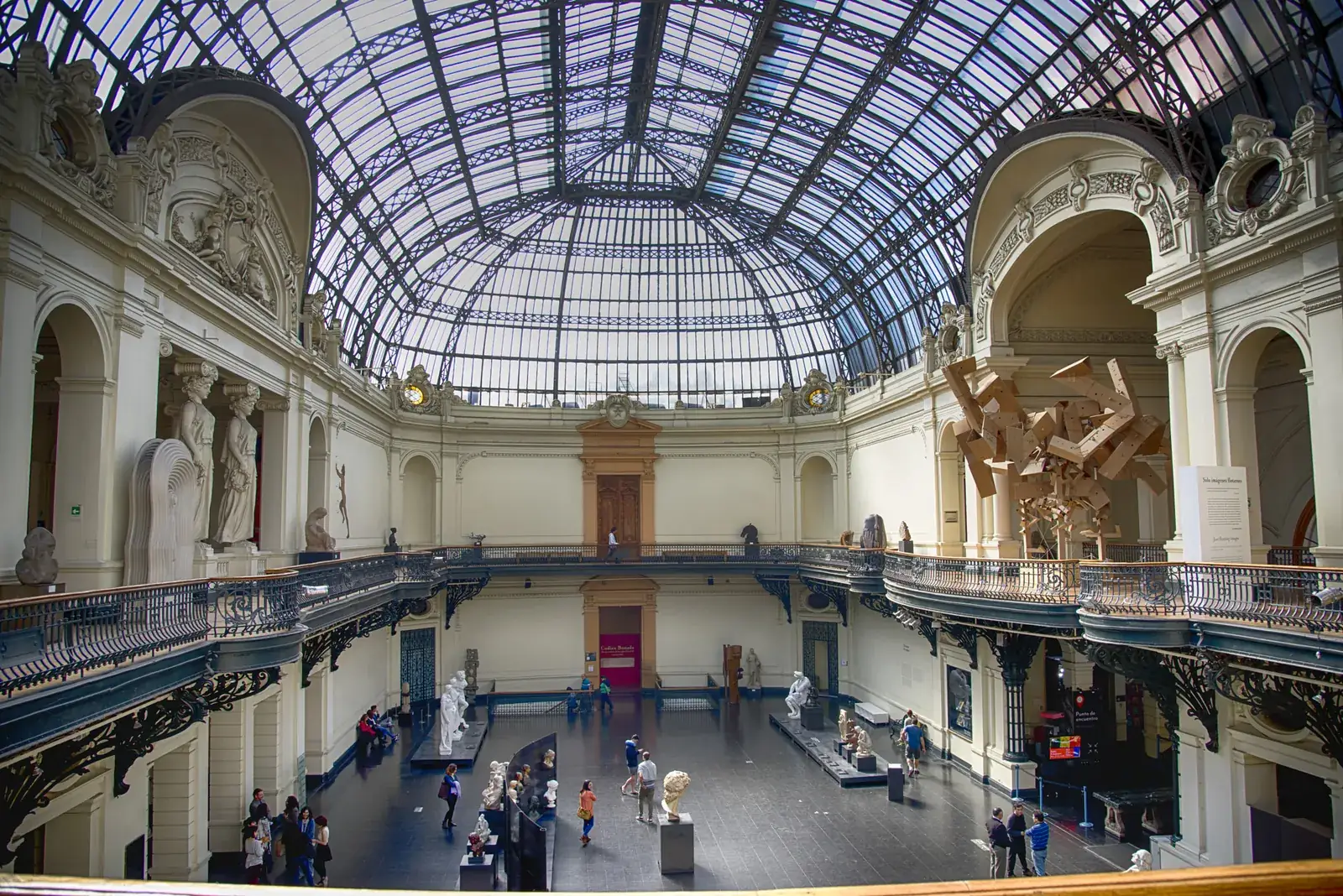
The hill sits right next to Barrio Lastarria, Parque Forestal and the Fine Arts Museum: together they make one of the best walks in Santiago. Read our guide to Lastarria or join our Lastarria and Cerro Santa Lucía Walk with Andes Views: three hours with a local guide, coffee included and five centuries of Santiago told from the spot where it all began.
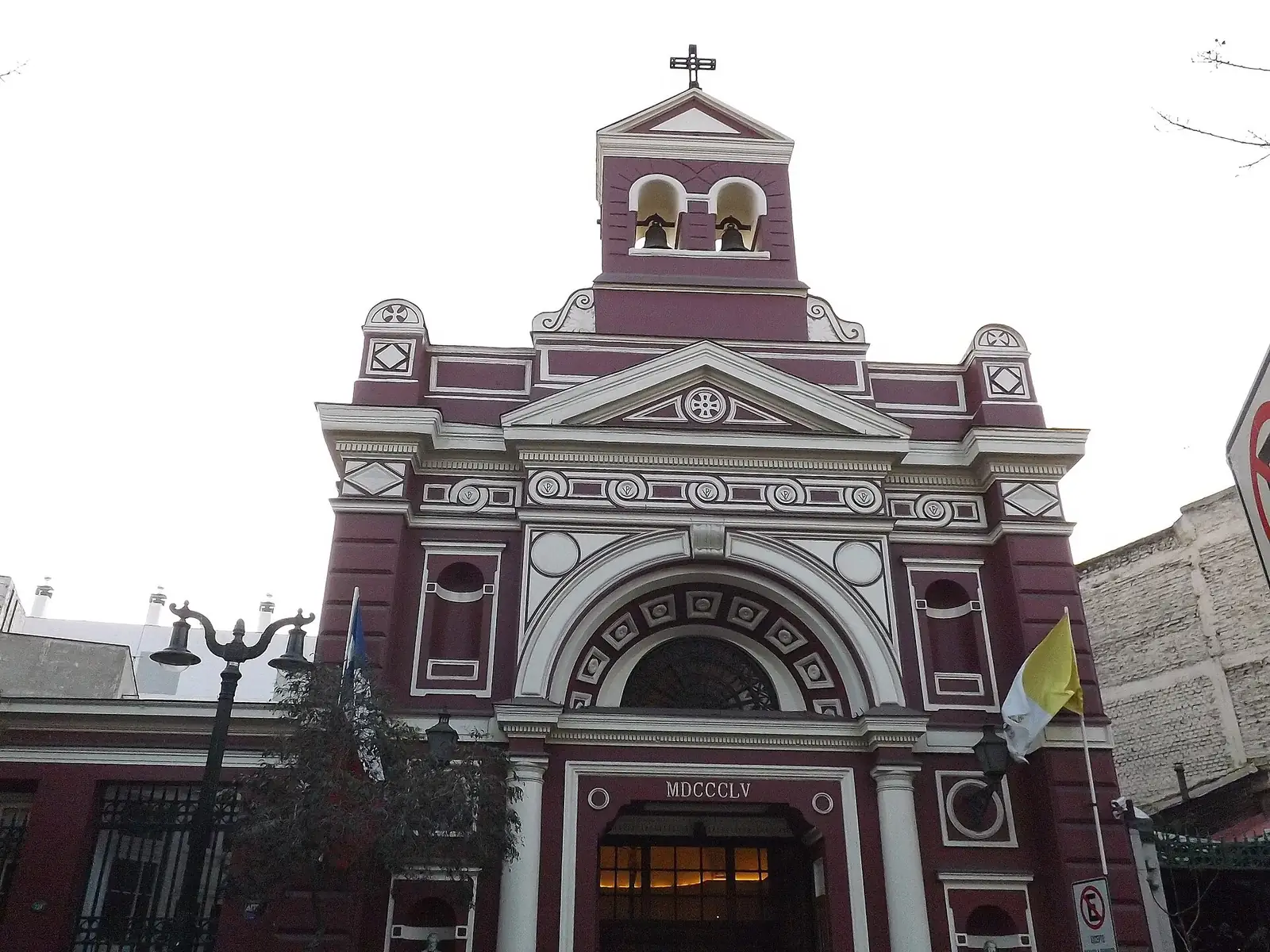 The Veracruz church, a short walk from the hill in Barrio Lastarria.
FAQ
How high is Cerro Santa Lucía? It rises about 70 metres above the surrounding streets; the summit is around 630 metres above sea level.
Is it safe? By day it is a busy walk with families and visitors. As anywhere downtown, mind your belongings and come down before closing time.
Santa Lucía or San Cristóbal? They complement each other: Santa Lucía is small, historic and central; San Cristóbal is a large park with a funicular and cable car. If you are short on time, Santa Lucía pairs better with the historic centre. For San Cristóbal, see our Santiago Full-Day City Tour.
How many days do I need in Santiago? Three days cover the essentials. Here is an itinerary: Santiago in 3 days.
Tours related to this article
Want to see it with a local guide?
Book a tour online or ask us anything on WhatsApp.