Pinochet’s Dictatorship in Santiago: Memory Sites to Understand the 1973 Coup
18 November 2026 · 3 min read
On 11 September 1973 a military coup overthrew President Salvador Allende and began a dictatorship, led by Augusto Pinochet, that lasted until 1990. According to Chile’s official Rettig and Valech reports, more than 3,000 people were killed or disappeared and some 40,000 suffered political imprisonment and torture.
Santiago preserves several memory sites where you can understand that history in the places where it happened. This guide covers the main ones, what you will see at each and some tips to visit them with the respect they deserve.
La Moneda Palace
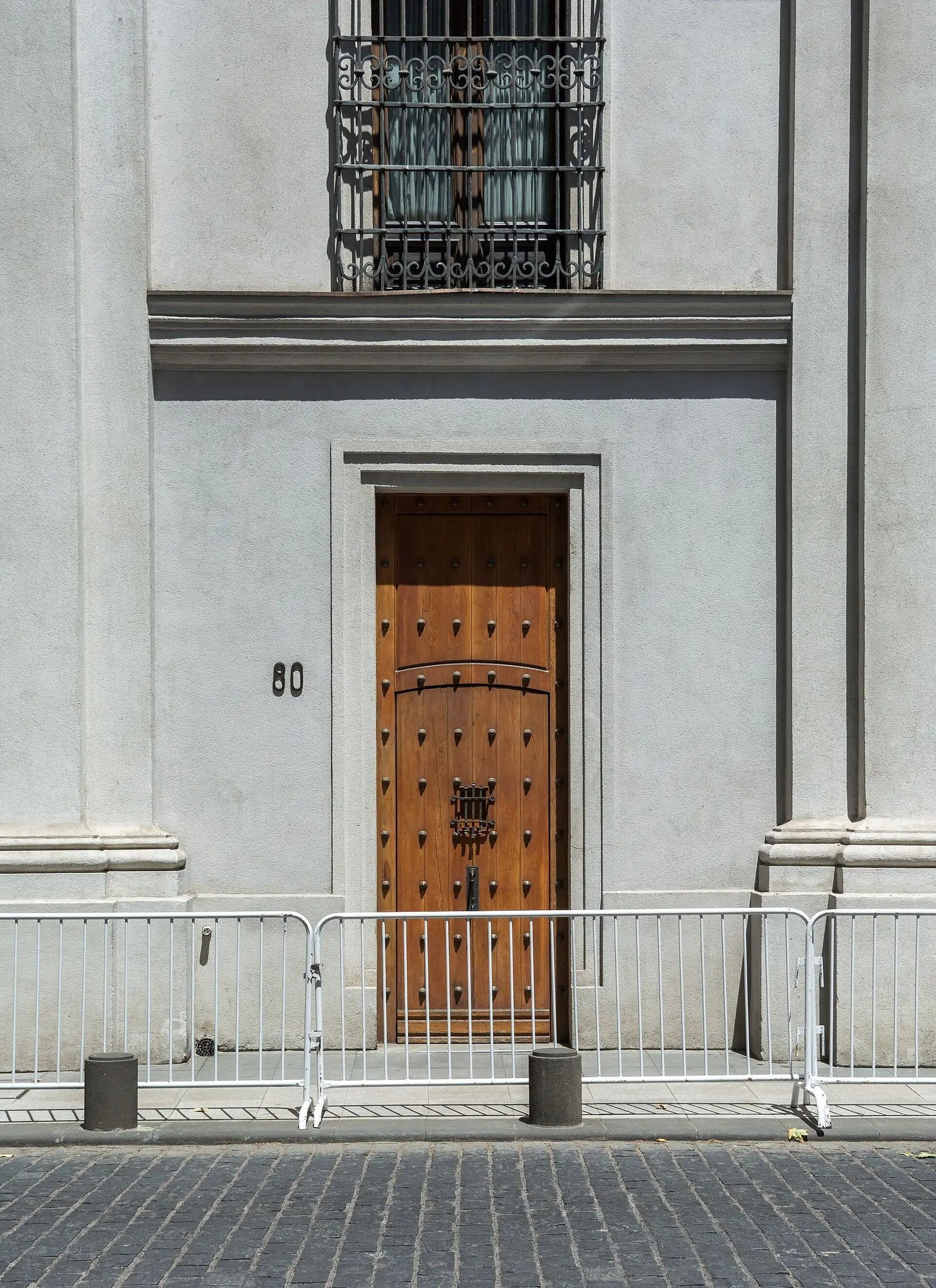 The Morandé 80 door, through which Allende’s body was carried out. Bricked up under the dictatorship, it was reopened in 2003.
On the morning of the coup, the Air Force bombed the presidential palace, where Allende resisted until his death. Facing La Moneda, in Plaza de la Constitución, stands a statue of the former president, and on the Morandé street side you can see door number 80, heavy with symbolism.
Visiting: the outside is open to all; tours of the interior require advance registration on the Presidency’s website.
Museum of Memory and Human Rights
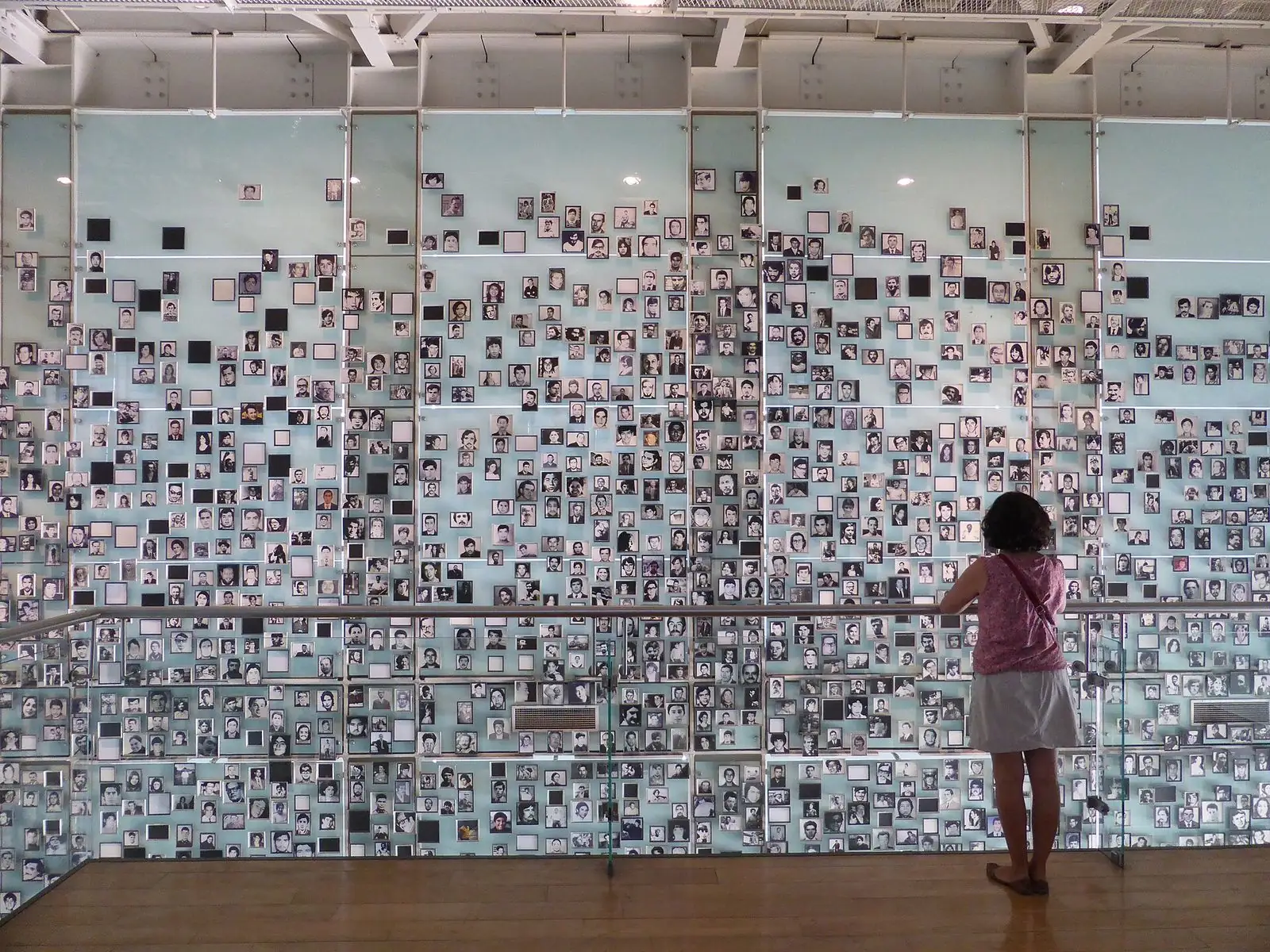
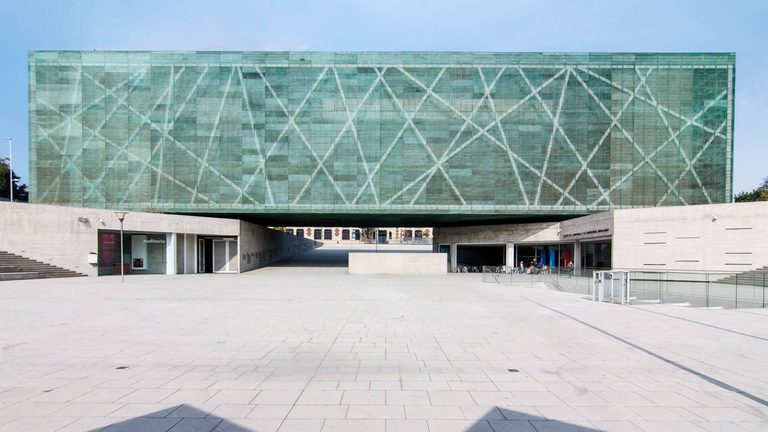
Opened in 2010, it is the main museum for understanding this period. It covers the coup, the repression, exile, international solidarity and the struggle to recover democracy through testimonies, letters, objects and art. One of its most powerful spaces is the wall of portraits of the victims.
Entry: free. Open: Tuesday to Sunday, next to Quinta Normal metro station.
Villa Grimaldi Peace Park
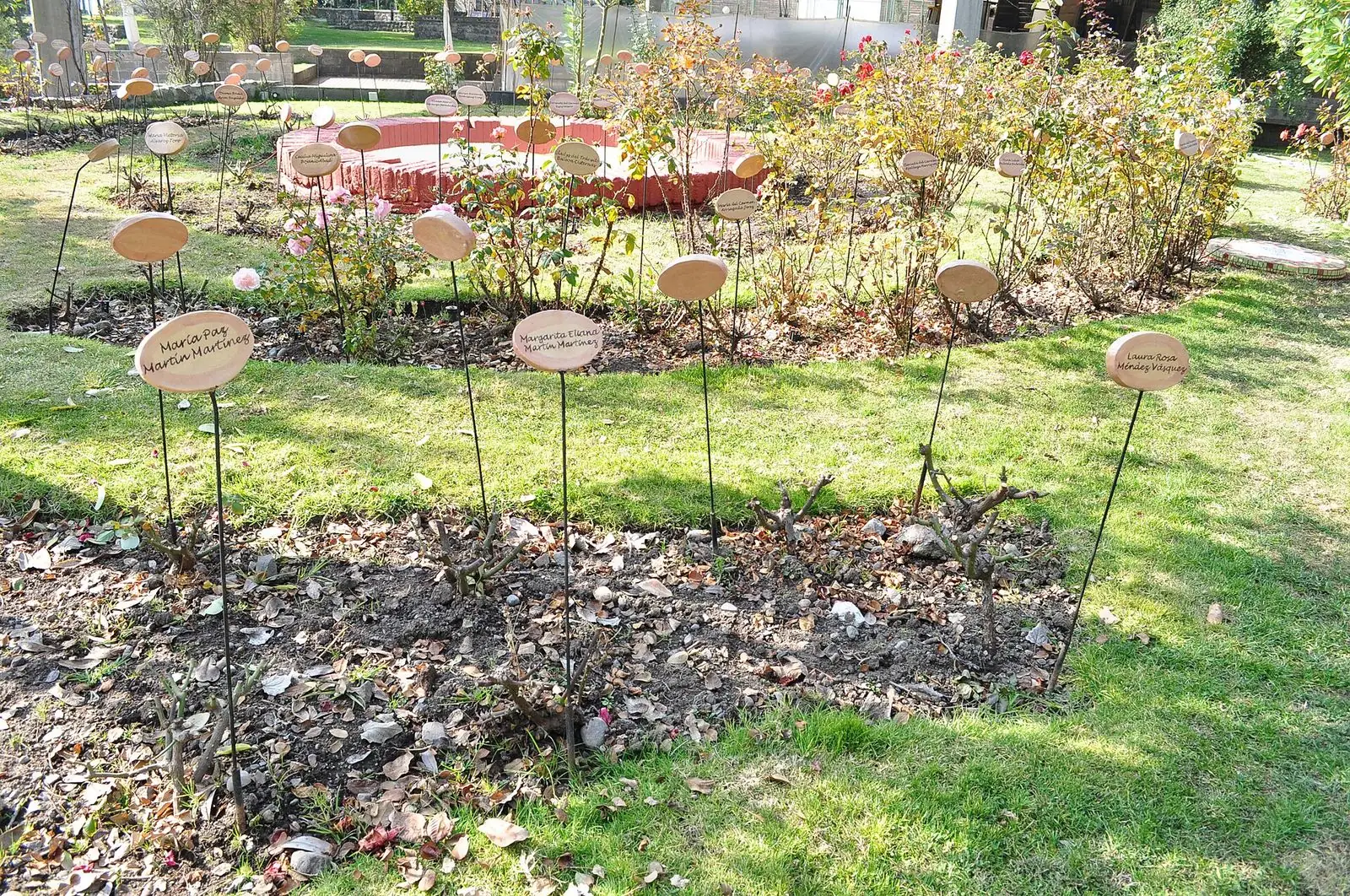 The Villa Grimaldi rose garden remembers the women who were held there.
In Peñalolén, in the east of the city, the secret police ran its main secret detention and torture centre here between 1974 and 1978. Thousands of people passed through and more than 200 were killed or disappeared. Survivors fought to turn the site into a peace park, with memorials, a rose garden and a wall bearing the names of the victims.
Entry: free, with free audio guides in Spanish, English and German. Open: daily.
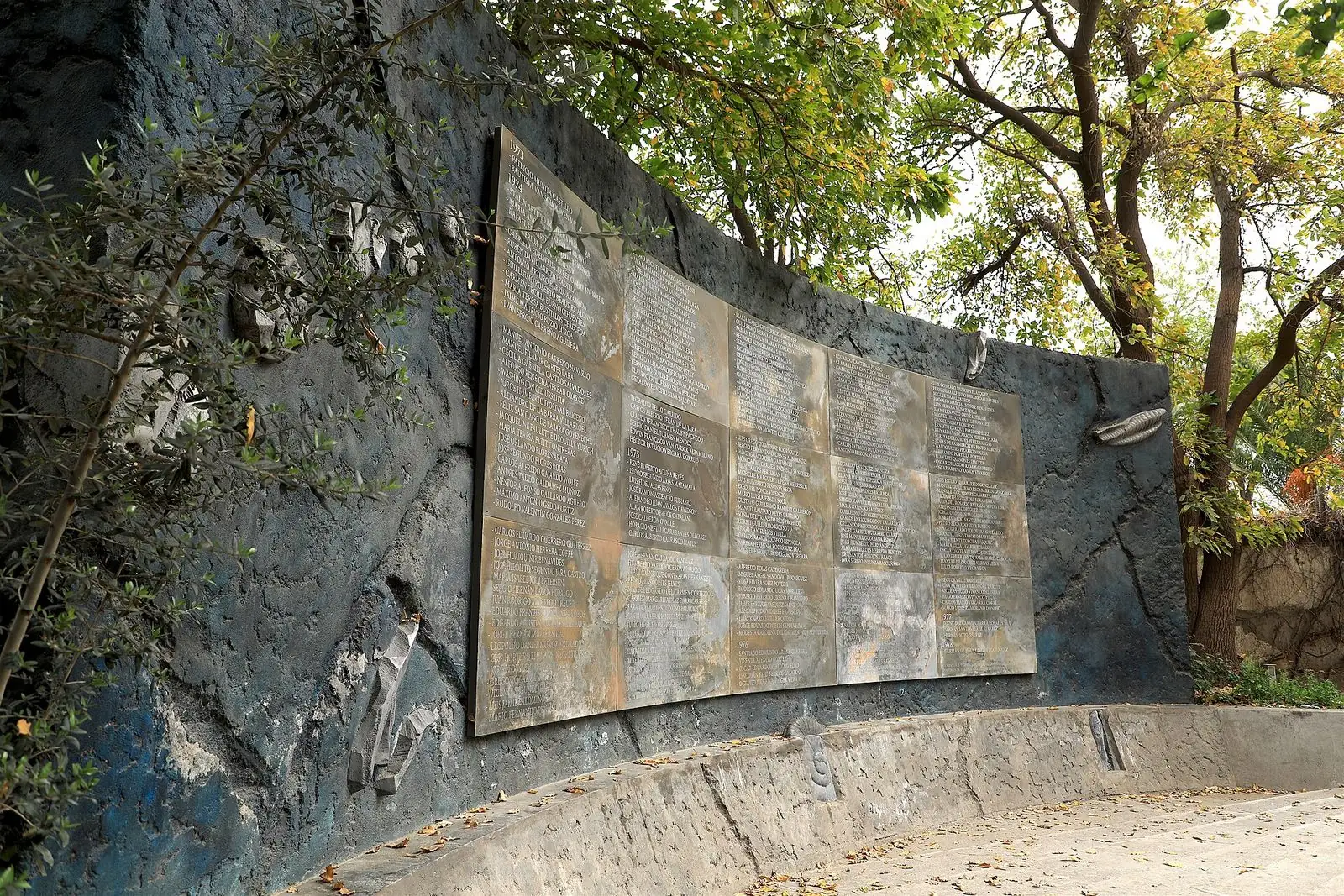 The wall with the names of the victims at Villa Grimaldi.
Londres 38
A house in the París-Londres quarter, a few blocks from the Alameda, that served as a detention centre in 1973 and 1974. Tiles set into the pavement bear the names of those who were held there.
Visiting: you can see it from outside at any time; the interior opens on limited days, usually Wednesdays and some Saturdays. Check its website before you go.
National Stadium
In the months after the coup, the country’s main stadium was used as a mass detention camp. Today it is a Historic Monument and keeps memory spaces such as Escotilla 8 and the original stands, which can be visited on guided tours run by memory groups.
Memorial to the Disappeared and Executed
In the General Cemetery, a great stone wall lists the names of the victims. Salvador Allende’s tomb is nearby.
From "No" to democracy
The story does not end in grief. On 5 October 1988, in a referendum, most Chileans voted "No" to Pinochet staying in power, and democracy returned in 1990. The Oscar-nominated film No tells the story of that campaign and is a great way to prepare for your trip.
How to visit with respect
- These are places of mourning. Keep your voice down and ask before photographing people or ceremonies.
- Recommended from age 14. The content includes testimonies of torture and disappearance.
- Go with context. A local guide helps you understand what the panels do not say, especially if you do not speak Spanish.
Visit with us
Our Memory Tour, from the 1973 Coup to Democracy covers La Moneda, the Museum of Memory, the National Stadium from outside and Villa Grimaldi in five hours, with hotel pickup and a trilingual guide. It includes a CLP 5,000 contribution per person to Villa Grimaldi and the Museum of Memory, and runs Tuesday to Sunday at 9:30.
FAQ
How much time do I need? At least an hour and a half for the Museum of Memory; a full morning to add Villa Grimaldi and La Moneda.
Do memory sites charge entry? The main ones are free; many welcome a voluntary donation for upkeep.
What else is there to see downtown? Read our guide to the best museums in Santiago.
Is it near other neighbourhoods? The Museum of Memory is next to the Yungay neighbourhood, which you can explore on our Barrio Yungay walking tour.
Tours related to this article
Want to see it with a local guide?
Book a tour online or ask us anything on WhatsApp.