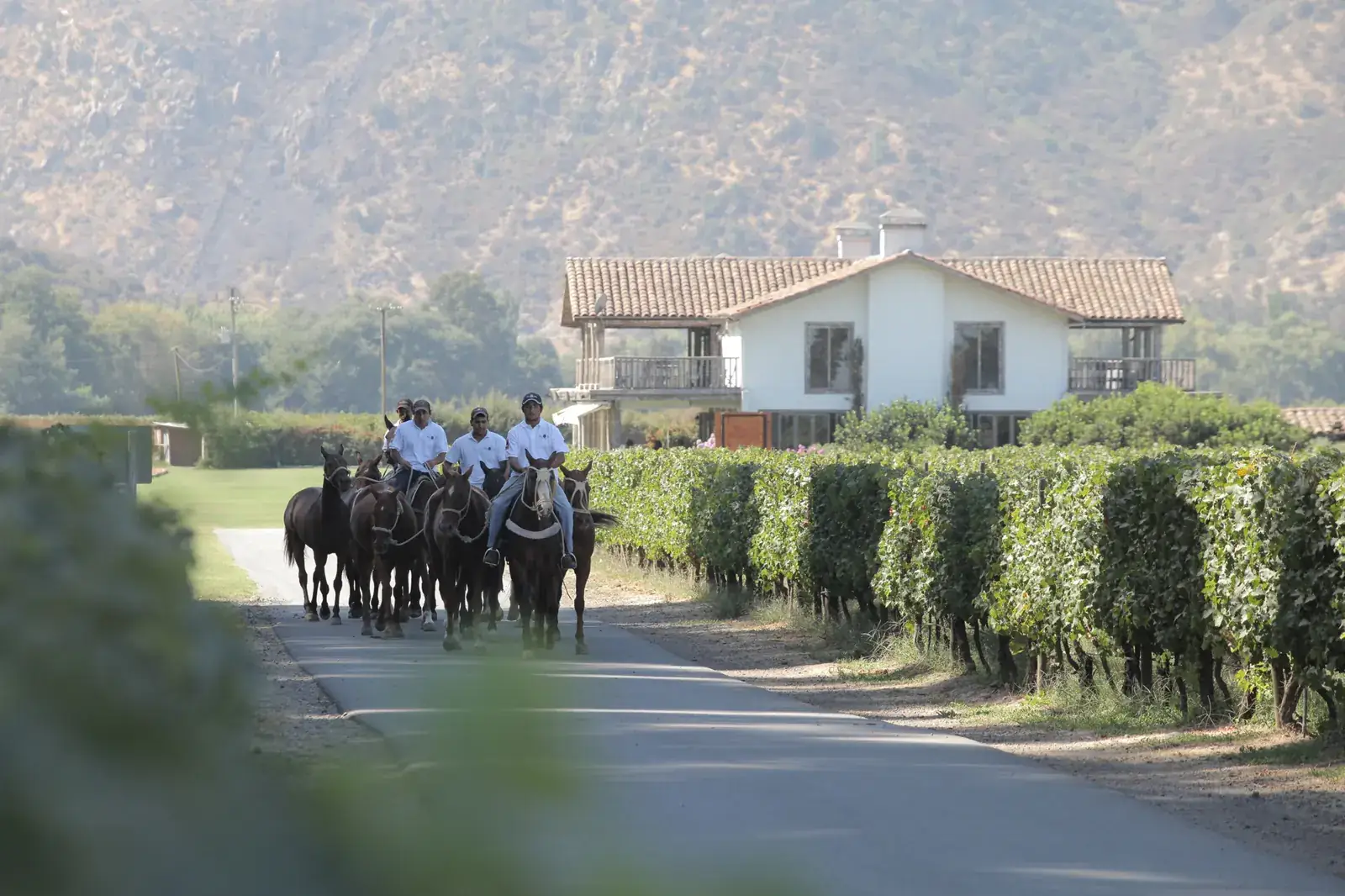
Penguins and birds near Santiago: where to see wildlife on Chile's central coast
26 November 2026 · 3 min read
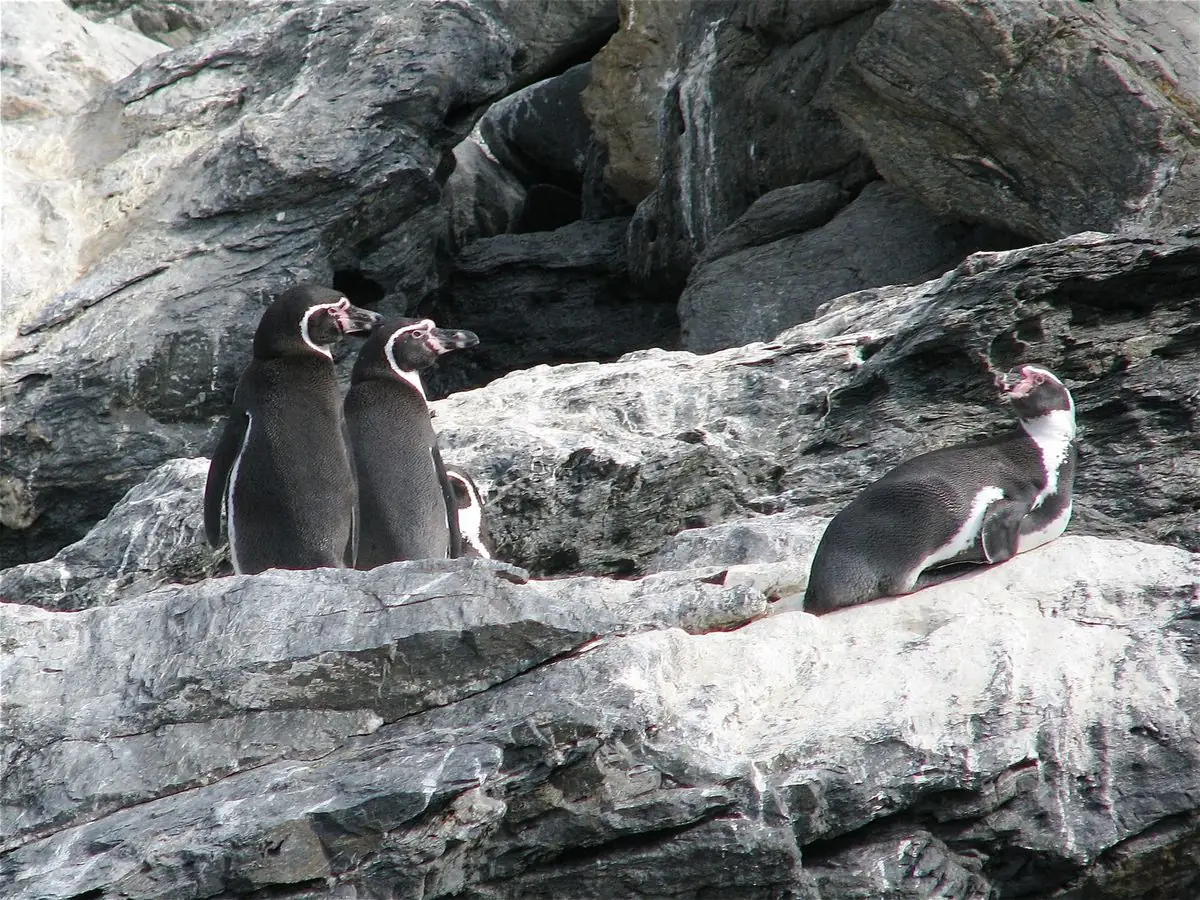
Less than two hours from Santiago, Chile's central coast holds surprising wildlife: a Humboldt penguin colony facing a beach, wetlands with more than a hundred bird species and coastal forests full of native birds. A perfect plan for families and nature lovers.
This guide brings together the best places and how to visit them without disturbing the animals.
Where to see wildlife near Santiago
| Place | What you see | Approximate distance |
|---|---|---|
| Isla Cachagua (Zapallar) | Humboldt penguins | 2 h northwest |
| Mantagua wetland (Quintero) | Swans, herons, sandpipers | 2 h northwest |
| Parque Tricao (Santo Domingo) | Aviary and native birds | 2 h southwest |
| Cajón del Maipo | Rescued condors, foxes and pumas | 1 h southeast |
Isla Cachagua and the Humboldt penguins
The Humboldt penguin lives on the coasts of Chile and Peru.
Off Cachagua beach lies a 4.5-hectare islet that has been a Nature Sanctuary since 1979 and a Natural Monument since 1989, run by CONAF. Its main purpose is to protect the Humboldt penguin, which nests there with other seabirds. A census cited by the Municipality of Zapallar counted more than 180 penguins.
Landing on the island is forbidden: you watch from the shore with binoculars or a spotting scope. In February 2026 the Humboldt penguin was declared a Natural Monument as a species, because a very significant part of its world population lives in Chile.
Tip: do not fly drones or approach by boat. The colony is sensitive to disturbance, especially during the nesting season.
Mantagua wetland and the Ritoque dunes
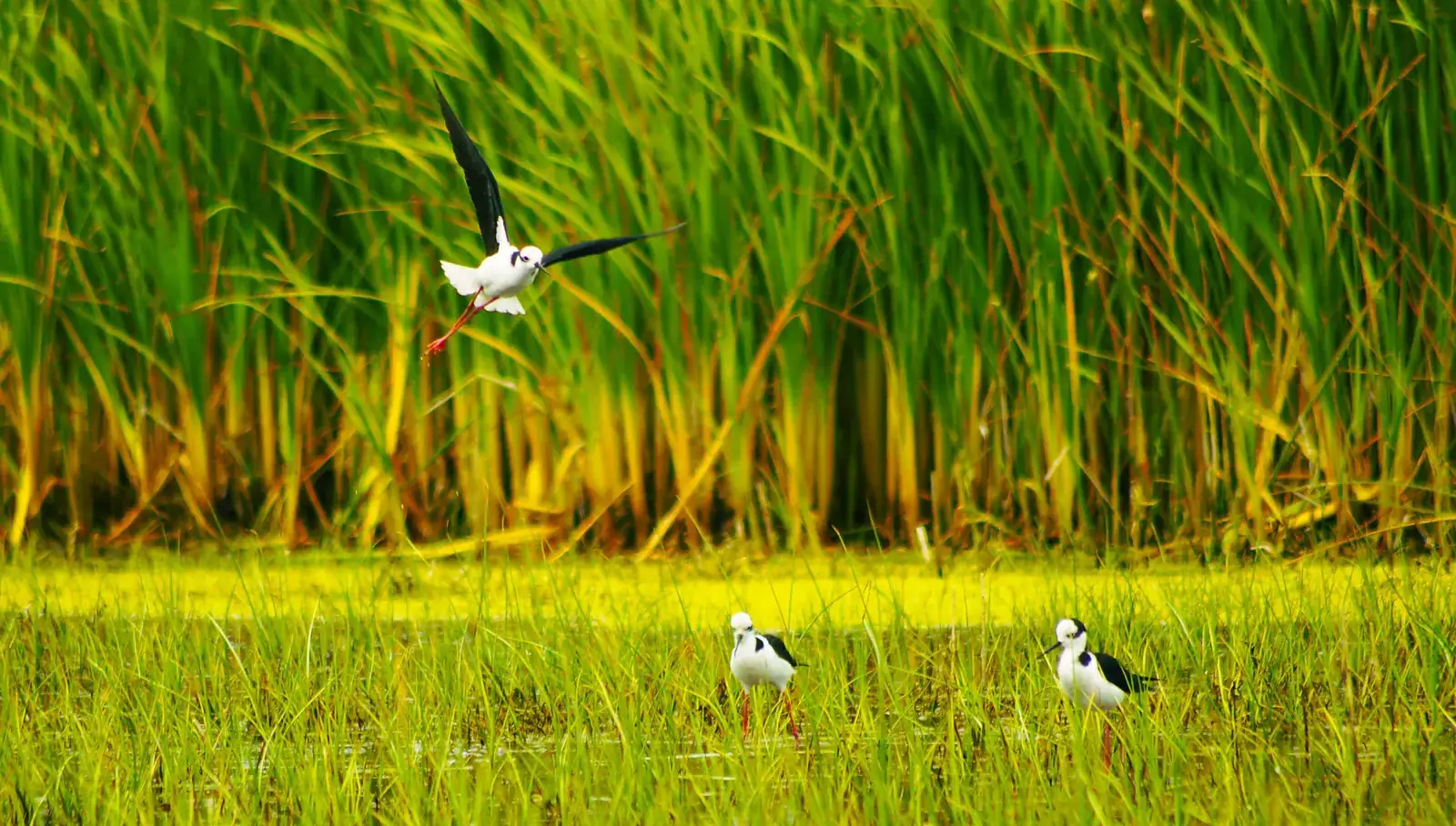 The Mantagua wetland, a bird refuge by the Pacific.
In the Quintero district, the Mantagua stream forms a wetland next to the Ritoque dunes. Chile's Ministry of the Environment records 166 bird species there among 215 vertebrate species, including threatened or vulnerable ones such as the coscoroba swan and the black-necked swan. It was declared an urban wetland in 2023.
- Best time: autumn and spring, when diversity peaks.
- What to bring: binoculars, neutral-coloured clothes and patience.
Parque Tricao and other places
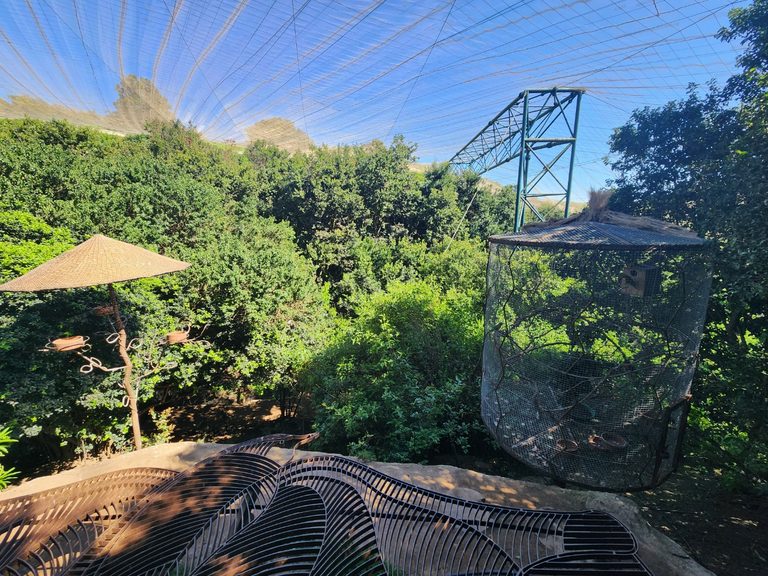
- Parque Tricao: near Santo Domingo, with South America's largest free-flight aviary according to the park, about 800 birds of more than 50 species, plus trails and a lagoon.
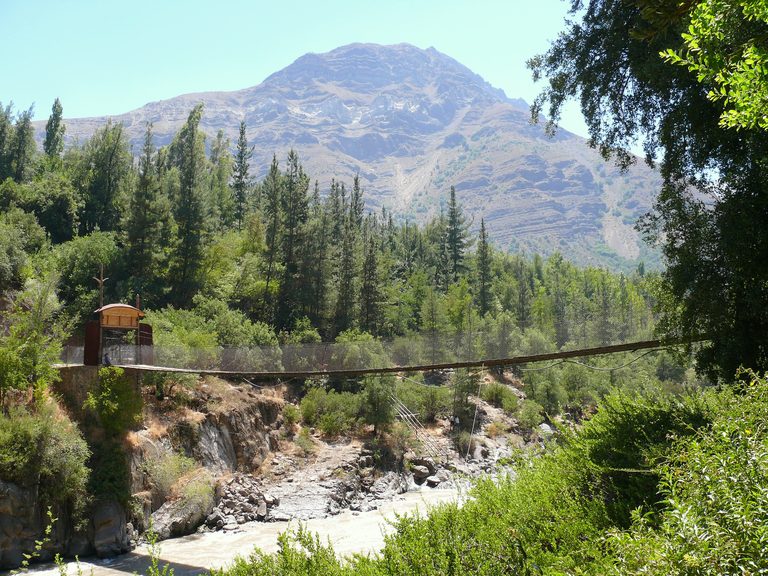
- Wildlife refuges in the Cajón del Maipo: they rescue and rehabilitate pumas, condors and foxes that cannot return to the wild.
How to watch wildlife responsibly
| Do | Avoid |
|---|---|
| Watch from a distance with binoculars | Getting close for a photo |
| Keep quiet at wetlands and shores | Feeding the animals |
| Stay on marked trails | Walking on dunes and nesting areas |
| Take your rubbish with you | Flying drones near colonies |
Watch wildlife with Original Chile
- Cachagua penguins and Zapallar: the colony seen through a spotting scope and the Zapallar coast (coming soon).
- Parque Tricao: the great aviary and coastal woods in a full day.
- Cajón del Maipo wildlife refuge: a family day with rescued animals (coming soon).
Frequently asked questions
Can you land on Isla Cachagua? No. It is a protected area with access restricted to authorised research; you watch from the shore.
When are there more birds at Mantagua? In autumn and spring.
What else is on the coast? See our guide to Valparaíso and Viña del Mar.
Sources
- Cachagua, a Humboldt penguin breeding centre, Municipality of Zapallar
- Agreement to protect the Humboldt penguin on Isla Cachagua, Island Conservation
- Mantagua wetland, Ministry of the Environment (GEF Wetlands)
- The birds of the Mantagua wetland, Boletín Chileno de Ornitología
- Penguin Island, chile.travel (Sernatur)
Tours related to this article
Want to see it with a local guide?
Book a tour online or ask us anything on WhatsApp.