Chilean pisco: history, valleys, types and how to drink it in Santiago
27 November 2026 · 3 min read
Pisco is Chile's national spirit: a grape brandy born in the valleys of the semi-arid north that Chileans drink as an aperitif, in cocktails or in the ever-present piscola. Behind every bottle there is a designation of origin almost a century old and a historic rivalry with Peru.
This guide explains where it comes from, how it is classified and where to taste it well in Santiago.
Chilean pisco at a glance
| Fact | Detail |
|---|---|
| Designation of origin | Since 15 May 1931 (DFL 181) |
| Pisco zone | The Atacama and Coquimbo regions |
| National Pisco Day | 15 May |
| Raw material | Muscat grapes and other authorised varieties |
| Signature cocktail | Pisco sour |
A designation of origin from 1931
On 15 May 1931 a decree limited pisco production to what were then the provinces of Atacama and Coquimbo, creating one of the oldest designations of origin in the Americas. That date is celebrated today as National Pisco Day. The current regulation defines the pisco zone as the whole of those two regions.
Peru also claims pisco as its own, and both countries keep their designations. For travellers, what matters is that Chilean pisco can only be made in the north.
The pisco valleys
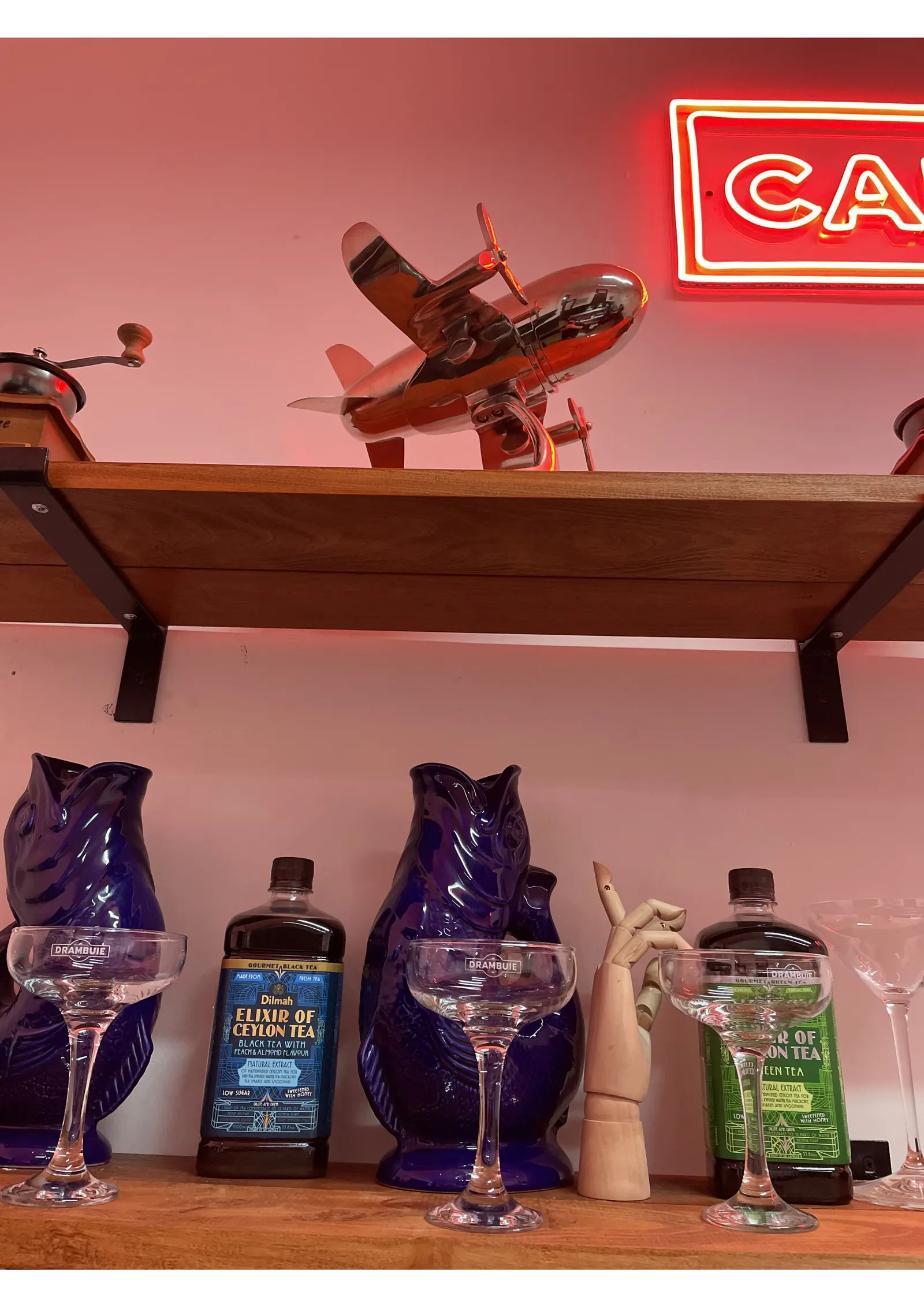 Chilean pisco bottles: each valley adds its own character.
- Elqui Valley: the most famous, sunny almost all year, with villages such as Pisco Elqui.
- Limarí Valley: near Ovalle, with fresh, floral piscos.
- Copiapó and Huasco valleys: in Atacama, the northernmost.
- Choapa Valley: the southern edge of the pisco zone.
Types of pisco by alcohol content
Chilean regulations classify pisco by its strength:
| Type | Minimum strength | How to drink it |
|---|---|---|
| Pisco corriente or tradicional | 30° | Cocktails and piscola |
| Pisco especial | 35° | Pisco sour |
| Pisco reservado | 40° | Signature cocktails |
| Gran pisco | 43° | Neat or on the rocks |
Tip: for a balanced pisco sour, bartenders usually prefer a 35° to 40° pisco. Wood-aged piscos are best enjoyed neat.
How Chileans drink pisco
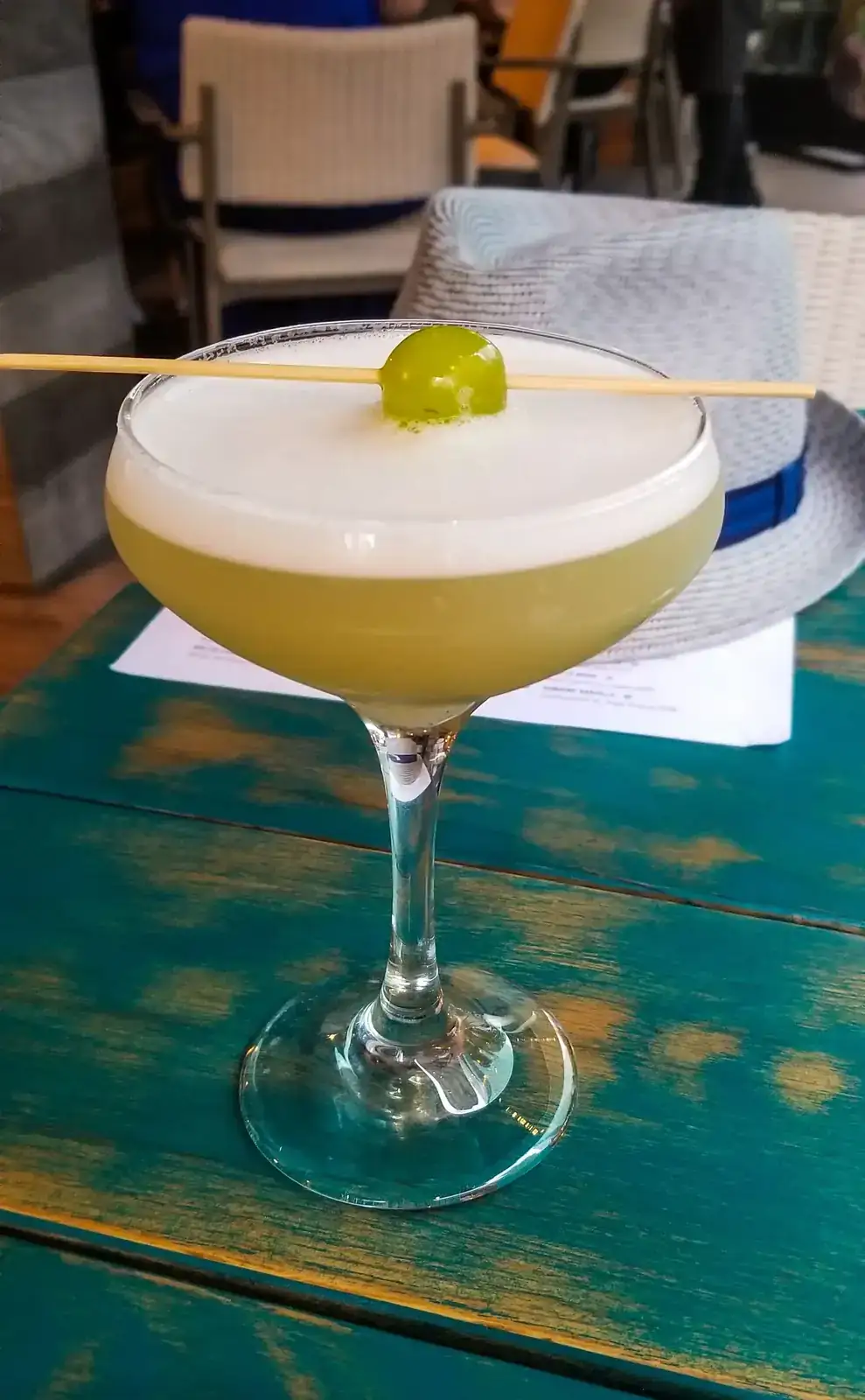
- Pisco sour: pisco, lemon juice, sugar and egg white. The aperitif at any celebration.
- Piscola: pisco with cola, the most popular drink at parties and barbecues.
- Pisco on the rocks: the way to appreciate a good gran pisco.
- Signature cocktails: Santiago's new cocktail scene mixes pisco with Chilean fruits and herbs.
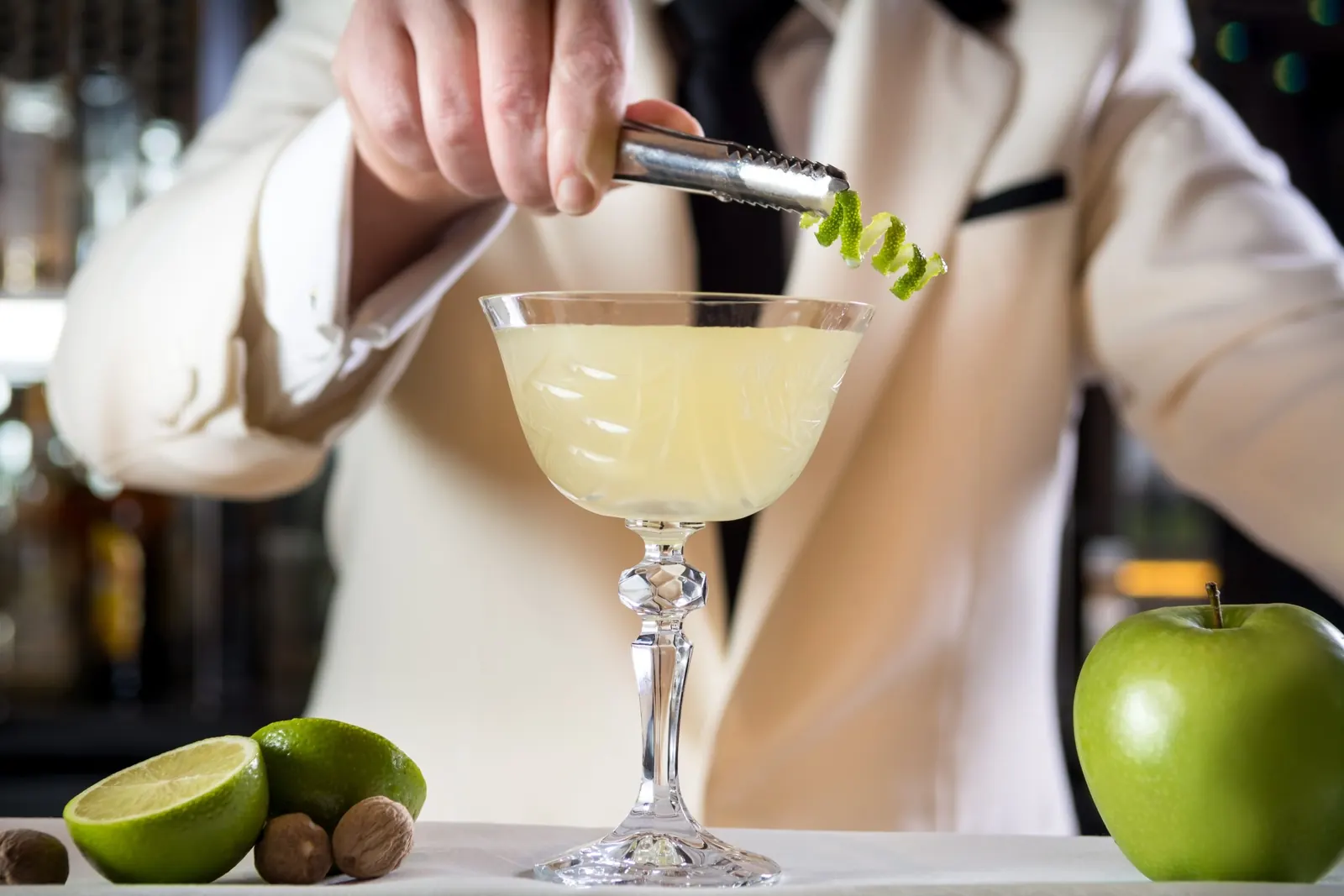 In a cocktail class you learn to make the pisco sour with a professional bartender.
Taste pisco with Original Chile
- Chilean cocktail class: make and drink a pisco sour and two surprise classics with a professional bartender at Santiago Bar Academy.
- Street food tour: pastel de choclo with a pisco sour and a terremoto at La Piojera.
- Chilean cooking class: empanadas and sopaipillas with a pisco sour.
Frequently asked questions
Is pisco Chilean or Peruvian? Both countries make it and each has its own designation of origin. Chilean pisco is only made in Atacama and Coquimbo.
How does the Chilean pisco sour differ from the Peruvian one? The Peruvian version usually adds Angostura bitters on top; the Chilean one is simpler, and recipes vary by bar.
What food goes well with a pisco sour? Empanadas, machas and ceviche. See our guide to what to eat in Santiago.
Sources
Tours related to this article
 Private Cocktail Class in Santiago, Chile: Pisco Sour Masterclass at Santiago Bar AcademyFrom $72.000 CLP
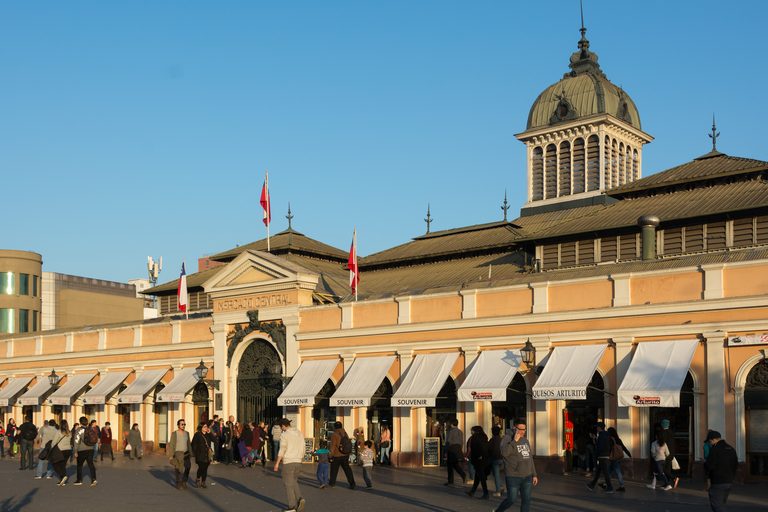 Santiago Food Tour: Downtown Street Food, Mercado Central and a Terremoto at La PiojeraFrom $103.000 CLP
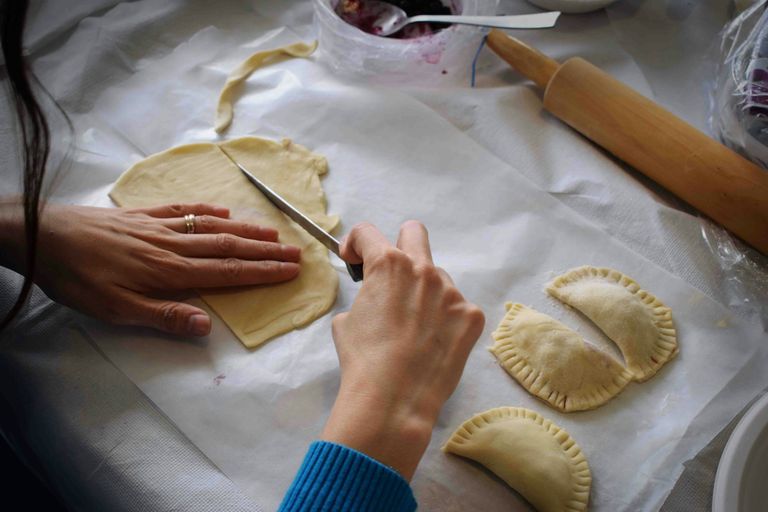 Chilean Cooking Class in Santiago: Empanadas, Sopaipillas and Pisco Sour in BellavistaFrom $105.000 CLP
Want to see it with a local guide?
Book a tour online or ask us anything on WhatsApp.