Santiago's markets: Mercado Central and La Vega, a guide to eating and shopping
25 November 2026 · 3 min read
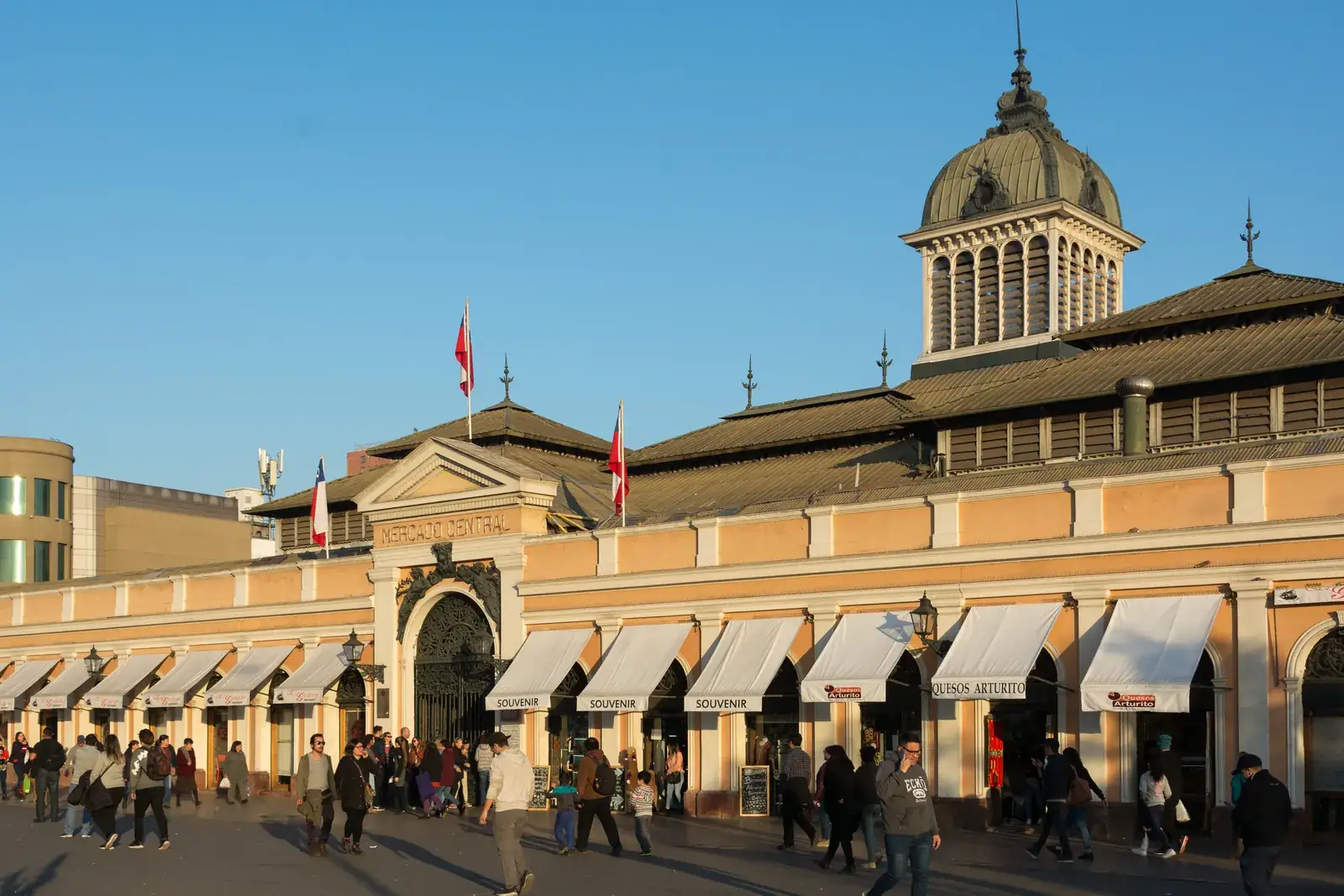
Markets are the best place to understand what Santiago eats. Within a few blocks on the banks of the Mapocho river you find the Mercado Central, with its 19th-century iron structure and its fish and seafood, and La Vega Central, where the city buys its fruit, vegetables and spices.
This guide helps you explore them at an easy pace: what to see, what to taste and how to move between them.
The markets at a glance
| Market | What you find | Best for |
|---|---|---|
| Mercado Central | Fish, seafood and restaurants | A seafood lunch |
| La Vega Central | Fruit, vegetables, spices and cocinerías | Everyday Santiago life |
| Around the Mapocho | Picadas, empanadas and historic bars | Continuing on foot |
Mercado Central: iron, history and the sea
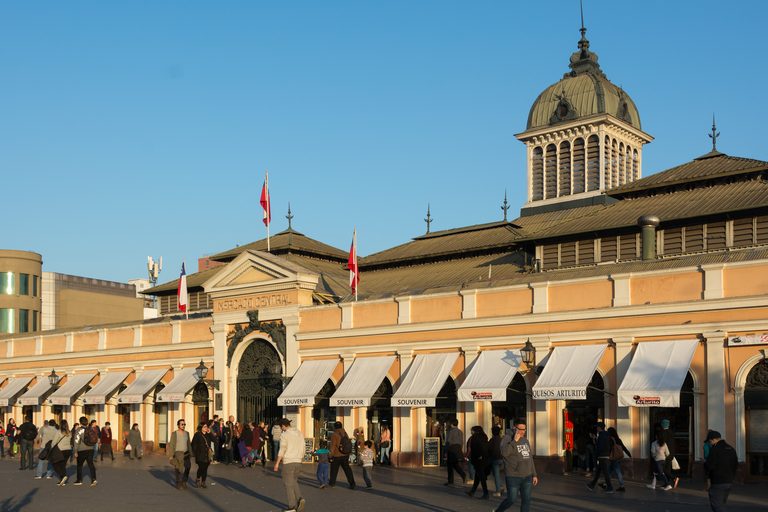
The Mercado Central, opened in 1872 facing the Mapocho river.
The Mercado Central was completed in 1872. Its great cast-iron structure was designed and made in Britain and assembled in Santiago; the local plans were drawn by Fermín Vivaceta and Manuel Aldunate, according to Chile's National Monuments Council. Today it is one of the most visited heritage buildings downtown.
Inside, two worlds share the space:
- The centre of the market: large restaurants, popular with visitors.
- The sides: fishmongers and simpler cocinerías where local workers eat.
What to eat at the Mercado Central
- Machas a la parmesana: razor clams baked with parmesan.
- Pastel de jaiba: shredded crab baked in a clay dish.
- Caldillo de congrio: the fish soup Pablo Neruda dedicated an ode to.
- Paila marina: a broth with mixed seafood, perfect in winter.
Tip: choose a restaurant with its own fishmonger, or one right across the aisle. The fish goes from the counter to the kitchen in minutes.
La Vega Central: the everyday market
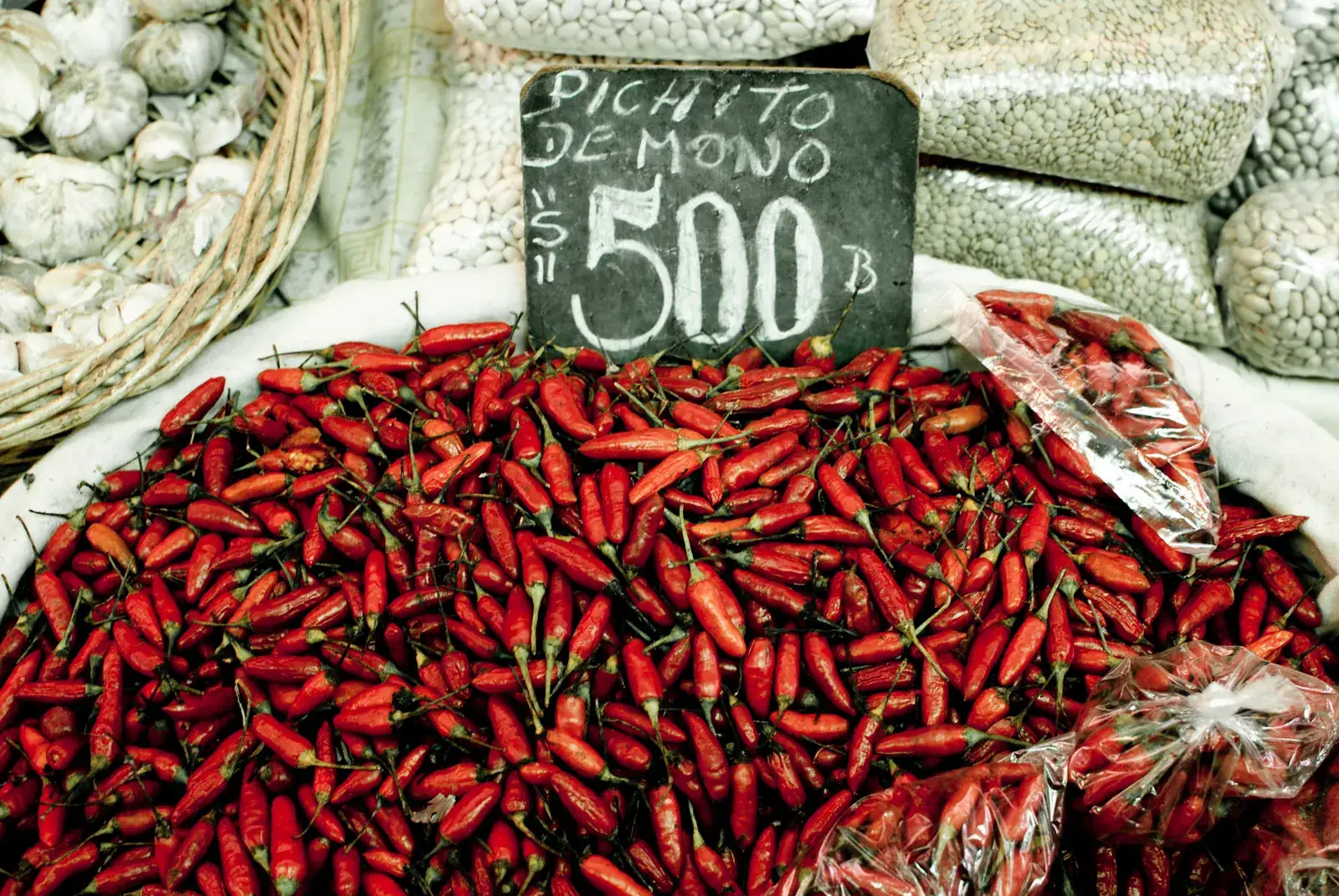 Chillies, merkén and spices at the stalls of La Vega Central.
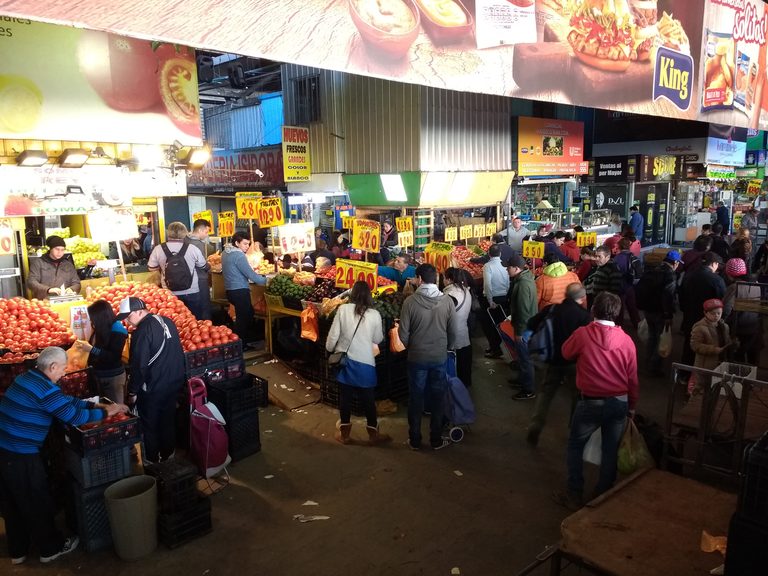
Across the Mapocho, La Vega is a huge, popular produce market. Here you see each season's fruit (cherries in December, peaches in summer, avocados all year), chillies and merkén, pulses and cheeses. Its cocinerías serve home-style lunches at neighbourhood prices.
When to go and how to explore
| Time | Why |
|---|---|
| Morning (9:00 to 12:00) | Busiest stalls and freshly arrived produce |
| Lunch (12:30 to 15:00) | Best time for cocinerías and restaurants |
| Afternoon | Many stalls and cocinerías close before the building |
- Walk between both markets: they are a few minutes apart across the bridge over the Mapocho.
- Carry some cash: some small stalls do not take cards.
- Watch your belongings: they are busy places; wear your backpack in front.
Explore them with Original Chile
- Street food tour: includes a walk through the Mercado Central and its fish hall, an empanada and seafood with a complimentary surprise.
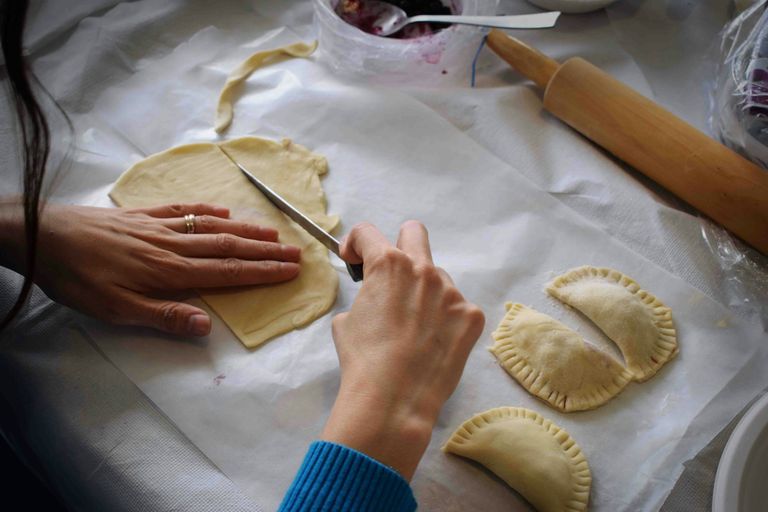
- Cooking class with a La Vega market visit: shop with a chef and cook empanadas and pastel de choclo (coming soon).
- Chilean cooking class in Bellavista: sopaipillas, empanadas and pisco sour.
Frequently asked questions
Is the Mercado Central open on Sundays? Yes, with shorter hours, and many places close early. Monday to Saturday is best.
Is it safe to visit the markets? Yes, with the usual precautions for any busy place downtown.
Which Chilean dishes should I try? See our guide to what to eat in Santiago.
Sources
Tours related to this article
Want to see it with a local guide?
Book a tour online or ask us anything on WhatsApp.